
Geschätzte Lesezeit: ca. 14 Minuten
Künstliche Intelligenz hat sich von einem Marketing-Schlagwort zu einem festen Bestandteil der Herangehensweise vieler Menschen an Kryptowährungsmärkte entwickelt. Doch die Kluft zwischen dem, was KI im Handel leistet, und dem, was KI tatsächlich leistet, besteht weiterhin. Genau genommen tut und was die Leute vorstellen Es bleibt ein enormer Bereich. Dieser Leitfaden erklärt in einfacher Sprache, wie KI im Kryptohandel im Jahr 2026 funktioniert – die tatsächlichen Mechanismen, die ehrlichen Grenzen und die Risiken, die jeder Händler verstehen sollte, bevor er einem Algorithmus sein Geld anvertraut.
Was “KI-Handel” wirklich bedeutet (und was nicht)
Wenn von “KI-gestütztem Trading” die Rede ist, stellt man sich meist ein System vor, das die Zukunft vorhersagt. Tatsächlich handelt es sich bei KI im Trading um eine Reihe statistischer und maschineller Lernverfahren, die Muster in historischen und aktuellen Daten erkennen und dann auf Basis von Wahrscheinlichkeiten handeln. Sie kennt die Zukunft nicht und kann Unsicherheit nicht beseitigen. Eine treffendere Beschreibung wäre, dass KI ein sehr schneller, unermüdlicher Mustererkenner ist, der Regeln folgt – teils manuell festgelegt, teils aus Daten gelernt.
Diese Unterscheidung ist wichtig. Ein System, das “Wahrscheinlichkeiten vorhersagt”, verhält sich ganz anders als eines, das “weiß, was passieren wird”. Ersteres mit Letzterem zu verwechseln, ist das häufigste – und teuerste – Missverständnis im automatisierten Handel.
Die Bausteine der KI im Kryptohandel
Modelle des maschinellen Lernens
Kern der meisten KI-Handelssysteme sind Modelle des maschinellen Lernens, die mit historischen Kursdaten, Orderbuchinformationen und anderen Signalen trainiert werden. Gängige Ansätze sind überwachtes Lernen (Vorhersage von Kurssteigerungen oder -rückgängen über einen bestimmten Zeitraum), bestärkendes Lernen (ein Agent, der durch Versuch und Irrtum in Simulationen eine Handelsstrategie erlernt) und Zeitreihenmodelle für sequentielle Daten. Jeder dieser Ansätze weist Kompromisse hinsichtlich Genauigkeit, Stabilität und Anfälligkeit für Marktveränderungen auf.
Dateneingänge und Signale
Ein Modell ist nur so gut wie seine Daten. Typische Eingangsdaten umfassen Preis und Volumen an verschiedenen Börsen, die Orderbuchtiefe, Volatilitätskennzahlen, Finanzierungssätze an Derivatemärkten sowie On-Chain-Metriken wie Wallet-Flows und Börsenguthaben. Die Qualität, Latenz und Datenqualität dieser Daten bestimmen direkt, wie nützlich die Modellausgabe ist. “Müll rein, Müll raus” ist im Trading keine Floskel, sondern gelebte Praxis.
Stimmungs- und On-Chain-Analyse
Viele moderne Systeme nutzen die Verarbeitung natürlicher Sprache, um die Marktstimmung anhand von Nachrichten, sozialen Medien und Entwickleraktivitäten zu analysieren. Die On-Chain-Analyse erweitert diese Dimension durch das direkte Auslesen von Blockchain-Daten. Beide Ansätze können wertvoll sein, sind aber fehleranfällig: Die Stimmung kann manipuliert werden, und On-Chain-Signale sind oft mehrdeutig. Sie sollten daher als Kontextinformationen und nicht als eigenständige Auslöser betrachtet werden.
Wie ein KI-Handelssystem eine Entscheidung trifft
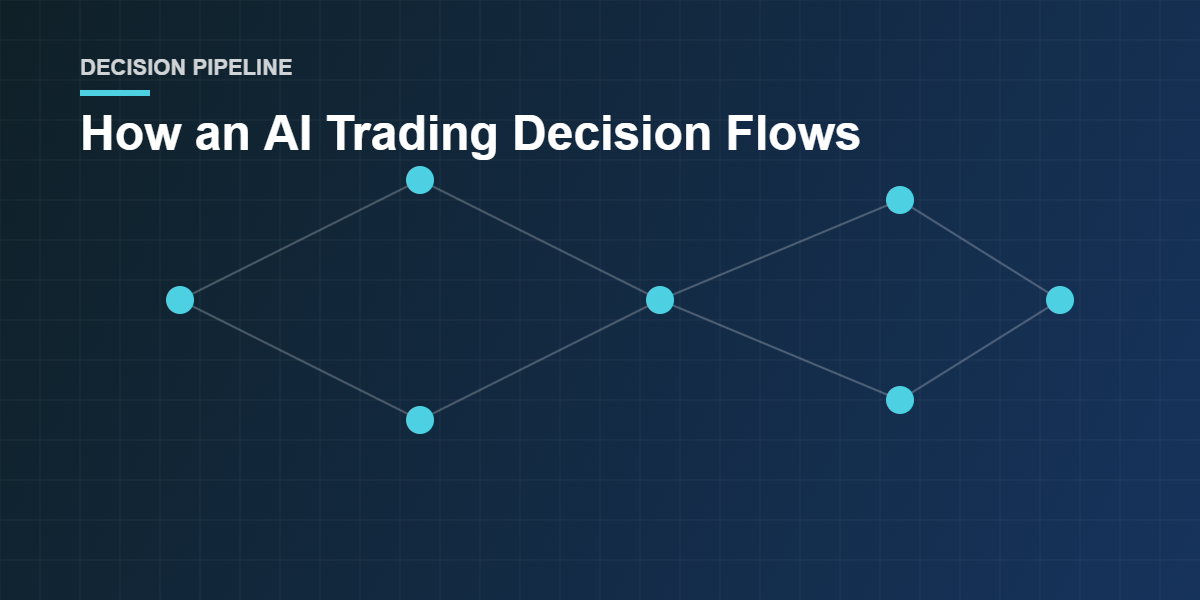
Im Kern lässt sich eine KI-Handelsentscheidung in der Regel wie folgt zusammenfassen: Eingehende Daten werden gesammelt und bereinigt; diese Daten werden in Merkmale umgewandelt, die das Modell versteht; diese Merkmale werden dem trainierten Modell zugeführt, um eine Wahrscheinlichkeit oder einen Score zu berechnen; dieser Score wird anhand von Risikoregeln geprüft, die die Positionsgröße und die Handelsentscheidung bestimmen; schließlich wird ein Auftrag an die Börse gesendet. Das Modell ist nur ein Glied in der Kette. Die Risikomanagement-Ebene, die es umgibt, ist oft das, was ein nachhaltiges System von einem katastrophalen unterscheidet.
Automatisierte Bots und Ausführung
Backtesting und seine Fallen
Vor der Live-Schaltung werden Strategien üblicherweise anhand historischer Daten getestet. Backtesting ist unerlässlich, führt aber auch dazu, dass die meisten Strategien hier deutlich besser abschneiden, als sie es in der Realität tun. Überanpassung – die so starke Anpassung eines Modells an vergangene Daten, dass es Rauschen statt des eigentlichen Signals erfasst – erzeugt zwar schöne historische Kurven, aber enttäuschende Ergebnisse im Live-Betrieb. Look-Ahead-Bias, Survivorship-Bias und das Ignorieren von Gebühren und Slippage verfälschen die Backtest-Ergebnisse zusätzlich.
Live-Ausführung und Slippage
Auf den Live-Märkten entspricht der angezeigte Preis nicht immer dem tatsächlich erzielten Preis. Slippage, Latenz, Teilausführungen und Börsenausfälle beeinträchtigen die theoretische Performance. In illiquiden oder volatilen Kryptomärkten können diese Ausführungsreibungen ein eigentlich profitables Modell in ein verlustbringendes verwandeln. Ein realistisches System berücksichtigt diese Kosten von Anfang an, anstatt sie erst nach der Implementierung zu entdecken.
Was KI gut kann – und was sie wirklich nicht kann
KI ist wirklich stark darin, große Datenmengen schnell zu verarbeiten, Disziplin ohne Emotionen durchzusetzen, viele Märkte gleichzeitig zu überwachen und einen definierten Plan konsequent umzusetzen. Das sind echte, bedeutende Vorteile gegenüber einem müden oder emotionalen menschlichen Händler.
Was KI nicht kann, ist genauso wichtig: Sie kann keine wirklich beispiellosen Ereignisse vorhersehen, sie kann keine Gewinne garantieren – deshalb die Entscheidung, ob der Einsatz von KI sinnvoll ist Es hängt so stark vom Nutzer ab und kann sich nicht sofort an ein ihm unbekanntes Marktumfeld anpassen. Bei dramatischen Veränderungen – etwa durch regulatorische Maßnahmen, Börsenzusammenbrüche oder unvorhergesehene Ereignisse – können Modelle, die auf Basis stabilerer historischer Daten trainiert wurden, schnell und schwerwiegend versagen. Kein seriöser Anbieter verspricht etwas anderes.
Die wahren Risiken, die jeder Nutzer verstehen sollte
Einige Risiken verdienen besondere Beachtung. Überanpassung Eine Strategie erscheint so lange zuverlässig, bis die realen Bedingungen von den Trainingsdaten abweichen. Opazität der schwarzen Box bedeutet, dass einige Modelle dies nicht erklären können. Warum Sie handeln miteinander, was die Diagnose von Fehlern erschwert. Marktregimewechsel kann ein Modell über Nacht ungültig machen. Datenqualitätsprobleme Entscheidungen werden stillschweigend korrumpiert. Und übermäßige Abhängigkeit – Einem System zu vertrauen, das man nicht versteht, und es unbeaufsichtigt zu lassen, verwandelt ein Werkzeug in eine Belastung. Hebelwirkung verstärkt jedes dieser Risiken.
Wie man KI-Tools verantwortungsvoll einsetzt
Verantwortungsvoller Umgang beginnt mit Risikomanagement, nicht mit dem Algorithmus. Legen Sie im Voraus fest, wie viel Kapital Sie maximal verlieren möchten, nutzen Sie Positionsgrößen- und Stop-Loss-Regeln und investieren Sie niemals Geld, dessen Verlust Sie sich nicht leisten können. Beginnen Sie mit kleinen Beträgen, überwachen Sie aktiv und betrachten Sie KI-Tools als Unterstützung und nicht als Autopilot. Informieren Sie sich über Gebühren, Auszahlungsbedingungen und wer Ihre Gelder tatsächlich verwaltet. Wenn Sie sich nicht sicher sind, ob ein Anbieter lizenziert ist, prüfen Sie offizielle Register wie beispielsweise die [Name der zuständigen Behörde einfügen]. FCA oder SEC. Wenn die Strategie einer Plattform völlig undurchsichtig ist oder ihre Ergebnisse zu gut klingen, um wahr zu sein, sollte man dies eher als Grund zur Vorsicht denn zur Begeisterung betrachten.
Häufig gestellte Fragen
Kann KI Kryptowährungspreise präzise vorhersagen?
Kein Tool kann Preise zuverlässig vorhersagen. KI arbeitet mit Wahrscheinlichkeiten, die auf vergangenen Mustern basieren, und diese Muster können unerwartet zusammenbrechen. Behandeln Sie daher Behauptungen über präzise Vorhersagen mit großer Skepsis.
Ist KI-gestützter Handel für Anfänger geeignet?
Anfänger können KI-Tools nutzen, sollten aber zunächst die Grundlagen des Handels und des Risikomanagements verstehen. Sich auf ein System zu verlassen, das man nicht versteht, ist riskant, egal wie ausgefeilt es auch erscheinen mag.
Garantiert KI-gestützter Handel Gewinne?
Nein. Jedes Tool, jede Plattform oder jede Person, die garantierte Gewinne verspricht, sollte als ernstzunehmendes Warnsignal betrachtet werden. Jede Art von Handel birgt das Risiko eines Verlustes.
Wie viel Geld brauche ich für den Start?
Es gibt keine allgemeingültige Antwort, aber ein vernünftiger Grundsatz ist, mit einem Betrag zu beginnen, den man sich leisten kann, vollständig zu verlieren, während man lernt, wie sich ein System unter realen Bedingungen verhält.
Was ist Überanpassung und warum ist sie wichtig?
Überanpassung (Overfitting) liegt vor, wenn ein Modell so genau auf historische Daten abgestimmt ist, dass es Rauschen statt echter Muster erfasst. Es liefert zwar beeindruckende Backtests, schneidet aber in realen Märkten oft schlecht ab.
Sollte ich einen KI-Bot unbeaufsichtigt laufen lassen?
Es ist unklug, automatisierte Systeme völlig unbeaufsichtigt zu lassen. Märkte verändern sich, Verbindungen fallen aus und Modelle verändern sich. Eine aktive Überwachung bleibt unerlässlich.
Sind KI-Handelstools reguliert?
Die Regulierung variiert stark je nach Rechtsordnung und Anbieter. Bevor Sie eine Plattform nutzen, überprüfen Sie deren Regulierungsstatus, Lizenzen und die Maßnahmen zum Schutz von Kundengeldern.
Zusammenfassung
KI im Kryptohandel ist 2026 ein leistungsstarkes Werkzeug zur Datenverarbeitung und Disziplinierung, aber keine Kristallkugel und kein Garant für sichere Gewinne. Am meisten profitieren Trader, die sowohl die Stärken als auch die Grenzen der KI verstehen, jedes Modell mit einem soliden Risikomanagement absichern und aktiv mitwirken, anstatt die Kontrolle vollständig abzugeben. Wenn Sie KI-Tools erkunden, nehmen Sie sich Zeit, beginnen Sie klein, überprüfen Sie jede Behauptung und legen Sie Wert auf Verständnis statt auf Hype.
Weiterführende Literatur
- Lohnt sich der Einsatz von KI beim Kryptowährungshandel?
- CryptifyAutoX Testbericht 2026: Eine ehrliche und vorsichtige Analyse
Für unabhängige Hintergrundinformationen zu automatisierten und algorithmischen Handelskonzepten siehe beispielsweise folgende Bildungsressourcen: Investopedias Überblick über algorithmischen Handel. Um zu überprüfen, ob ein Anbieter reguliert ist, konsultieren Sie offizielle Register wie beispielsweise das US SEC, Die UK FCA, oder die EU ESMA.
Haftungsausschluss: Dieser Artikel dient ausschließlich Bildungs- und Informationszwecken und stellt keine Finanz-, Anlage- oder Handelsberatung dar. Der Handel mit Kryptowährungen birgt ein hohes Risiko, bis hin zum potenziellen Verlust des gesamten Kapitals. Vergangene Wertentwicklungen und Ergebnisse aus Backtests garantieren keine zukünftigen Ergebnisse. Nichts in diesem Artikel ist eine Empfehlung zum Kauf, Verkauf oder zur Nutzung eines bestimmten Produkts, einer Plattform oder Strategie. Führen Sie stets Ihre eigenen Recherchen durch und ziehen Sie gegebenenfalls einen zugelassenen Finanzberater zu Rate, bevor Sie finanzielle Entscheidungen treffen.

 English
  German
  Polish
  French
  German (Switzerland)
  Croatian
  Czech
Czech  Italian
  Spanish
  Swedish
  Portuguese (Portugal)
  Portuguese (Brazil)
  Japanese
  Thai
Thai  Danish