
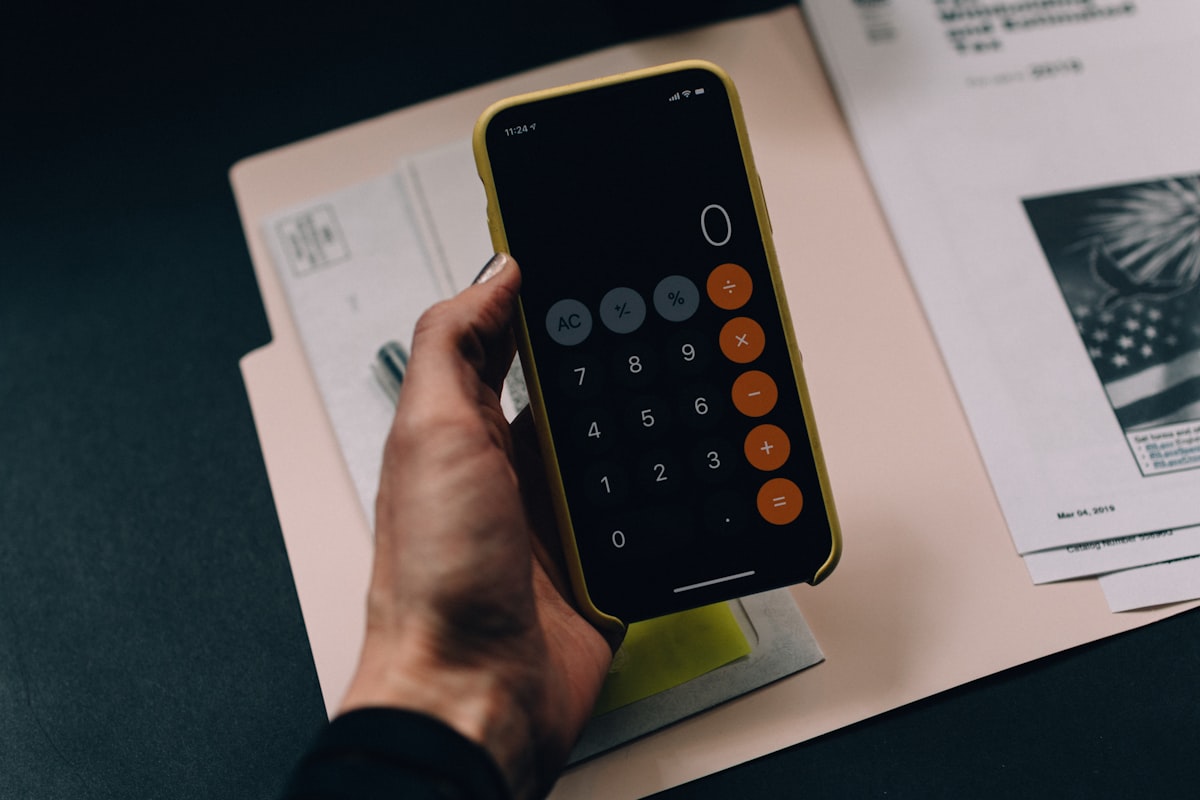
เงินเฟ้อคือโจรขโมยความมั่งคั่งที่เงียบงัน มันไม่ได้ประกาศตัวด้วยการล่มสลายของตลาด แต่กลับค่อย ๆ กัดกร่อนอำนาจซื้อของเงินคุณปีแล้วปีเล่า จนกระทั่งดอลลาร์เดิมซื้อของได้น้อยลงตามกาลเวลา สำหรับนักลงทุน การเข้าใจวิธีปกป้องพอร์ตการลงทุนจากเงินเฟ้อเป็นสิ่งจำเป็น เพราะเงินสดและการลงทุนแบบดั้งเดิมจำนวนมากสามารถสูญเสียมูลค่าที่แท้จริงได้ แม้ในขณะที่ยอดเงินตัวเลขนามดูเหมือนคงที่ คู่มือนี้อธิบายว่าเงินเฟ้อทำลายความมั่งคั่งอย่างไรและกลยุทธ์ในทางปฏิบัติที่ใช้ในการป้องกันความเสี่ยงจากมัน สำหรับข้อมูลพื้นฐาน โปรดดู สำนักงานสถิติแรงงานแห่งสหรัฐอเมริกา.
เงินเฟ้อทำอะไรกับเงินของคุณจริง ๆ
เงินเฟ้อคืออัตราที่ระดับราคาทั่วไปสูงขึ้น ทำให้สิ่งที่เงินแต่ละหน่วยสามารถซื้อได้ลดลง ที่อัตราเงินเฟ้อต่อปีที่ฟังดูพอประมาณ 3% ราคาจะเพิ่มขึ้นเป็นสองเท่าในเวลาประมาณ 24 ปี — หมายความว่าเงินที่นั่งอยู่ในบัญชีที่ไม่มีดอกเบี้ยจะสูญเสียอำนาจซื้อไปครึ่งหนึ่งในช่วงเวลานั้น ที่อัตราสูงกว่านี้ การกัดกร่อนจะเร็วกว่าและเห็นได้ชัดเจนกว่ามาก
แนวคิดสำคัญคือความแตกต่างระหว่าง ตามมูลค่าที่ตราไว้ (nominal) และ จริง ผลตอบแทน หากการลงทุนของคุณได้รับ 5% ในขณะที่เงินเฟ้ออยู่ที่ 3% ผลตอบแทนที่แท้จริงของคุณ — กำไรที่แท้จริงในอำนาจซื้อ — จะอยู่ที่เพียงประมาณ 2% เท่านั้น หากเงินออมของคุณได้รับ 1% ในช่วงที่เงินเฟ้ออยู่ที่ 4% คุณกำลังสูญเสีย 3% ในแง่ที่แท้จริงในทุก ๆ ปี แม้ว่ายอดเงินจะเพิ่มขึ้นในทางเทคนิคก็ตาม
ทำไมเงินสดจึงไม่ปลอดภัย
หลายคนมองว่าเงินสดเท่ากับความปลอดภัย แต่ในช่วงเงินเฟ้อ เงินสดคือการขาดทุนที่รับประกันได้ในแง่มูลค่าที่แท้จริง การถือเงินสดจำนวนมากเกินกว่ากองทุนฉุกเฉินหมายถึงการเฝ้าดูอำนาจซื้อของคุณลดลงอย่างต่อเนื่อง นี่คือความย้อนแย้งหลักที่เงินเฟ้อสร้างขึ้น นั่นคือ สินทรัพย์ที่ “ปลอดภัยที่สุด” มักเป็นสินทรัพย์ที่แน่นอนที่สุดว่าจะสูญเสียมูลค่าไปตามกาลเวลา
สินทรัพย์ที่มีแนวโน้มป้องกันความเสี่ยงจากเงินเฟ้อ
1. หุ้น
ในระยะยาว ตามประวัติศาสตร์แล้ว หุ้นเป็นหนึ่งในเครื่องมือป้องกันเงินเฟ้อที่ดีกว่า บริษัทต่าง ๆ มักสามารถขึ้นราคาควบคู่ไปกับเงินเฟ้อ ทำให้รายได้และกำไรเติบโตในเชิงนาม ธุรกิจที่มีอำนาจในการกำหนดราคา (pricing power) ที่แข็งแกร่ง — ความสามารถในการผลักภาระต้นทุนที่สูงขึ้นไปยังลูกค้าโดยไม่สูญเสียยอดขาย — มีความทนทานเป็นพิเศษ อย่างไรก็ตาม หุ้นอาจเผชิญความยากลำบากในช่วงแรกของแรงกระแทกจากเงินเฟ้อที่พุ่งสูงขึ้น โดยเฉพาะหากมันกระตุ้นให้เกิดการขึ้นอัตราดอกเบี้ยอย่างรุนแรง
2. พันธบัตรรัฐบาลที่ป้องกันเงินเฟ้อ
รัฐบาลบางแห่งออกพันธบัตรที่ออกแบบมาเฉพาะเพื่อป้องกันเงินเฟ้อ โดยเงินต้นหรือดอกเบี้ยจะปรับตามดัชนีเงินเฟ้อ พันธบัตรเหล่านี้ให้การป้องกันความเสี่ยงโดยตรงกว่าพันธบัตรทั่วไป ซึ่งการจ่ายเงินคงที่จะสูญเสียมูลค่าที่แท้จริงเมื่อราคาสินค้าสูงขึ้น
3. สินทรัพย์จริงและอสังหาริมทรัพย์
สินทรัพย์ที่จับต้องได้อย่างอสังหาริมทรัพย์มีประวัติรักษามูลค่าในช่วงเงินเฟ้อ เนื่องจากราคาทรัพย์สินและค่าเช่ามักปรับสูงขึ้นตามระดับราคาทั่วไป อสังหาริมทรัพย์สามารถมอบทั้งกระแสรายได้ที่ผูกกับเงินเฟ้อและการเพิ่มมูลค่าของทุน แม้ว่ามันจะอ่อนไหวต่ออัตราดอกเบี้ย สำหรับข้อมูลพื้นฐาน ดูที่ ธนาคารกลางสหรัฐ.
4. สินค้าโภคภัณฑ์
สินค้าโภคภัณฑ์ — พลังงาน โลหะ สินค้าเกษตร — ตัวมันเองเป็นองค์ประกอบของเงินเฟ้อ ดังนั้นราคาของมันจึงมักปรับขึ้นเมื่อเงินเฟ้อเร่งตัว มันสามารถทำหน้าที่เป็นเครื่องป้องกันความเสี่ยงได้ แม้ว่ามันจะมีความผันผวนและไม่ก่อให้เกิดรายได้
5. ทองคำ
ทองคำมีชื่อเสียงมายาวนานในฐานะเครื่องมือป้องกันเงินเฟ้อและแหล่งเก็บมูลค่า สถิติของมันค่อนข้างผสมผสานในช่วงเวลาที่สั้นกว่า — อาจให้ผลตอบแทนด้อยกว่าเมื่ออัตราดอกเบี้ยที่แท้จริงปรับขึ้น — แต่ในระยะยาวมาก มันมักรักษาอำนาจซื้อไว้ได้
การสร้างพอร์ตการลงทุนที่ทนทานต่อเงินเฟ้อ
ไม่มีสินทรัพย์ใดที่ป้องกันความเสี่ยงจากเงินเฟ้อได้อย่างสมบูรณ์แบบในทุกสภาวะ ดังนั้นการกระจายการลงทุนไปยังสินทรัพย์ที่ทนทานต่อเงินเฟ้อหลายชนิดจึงเป็นแนวทางที่แข็งแกร่งที่สุด พอร์ตการลงทุนที่ผสมผสานหุ้นที่มีอำนาจในการกำหนดราคา (pricing power) พันธบัตรที่ป้องกันเงินเฟ้อบางส่วน สินทรัพย์ที่จับต้องได้ (real assets) และการจัดสรรไปยังสินค้าโภคภัณฑ์หรือทองคำในสัดส่วนที่พอเหมาะ จะช่วยกระจายความเสี่ยงไปยังสินทรัพย์ที่ตอบสนองต่อแรงกดดันจากเงินเฟ้อแตกต่างกัน
- ให้น้ำหนักกับหุ้นที่มีอำนาจกำหนดราคา ที่สามารถผลักภาระต้นทุนไปยังลูกค้าได้
- ถือพันธบัตรที่ป้องกันเงินเฟ้อบ้าง เพื่อการป้องกันความเสี่ยงโดยตรง
- รวมสินทรัพย์จริง เช่น อสังหาริมทรัพย์เพื่อรายได้และการเติบโตที่เชื่อมโยงกับเงินเฟ้อ
- จำกัดเงินสดส่วนเกิน เกินกว่าเงินสำรองฉุกเฉินของคุณ
- คิดในแง่ที่แท้จริง เมื่อประเมินผลตอบแทนของการลงทุนทุกครั้ง
ทำความเข้าใจสาเหตุต่าง ๆ ของเงินเฟ้อ
เงินเฟ้อไม่ได้เหมือนกันทั้งหมด และสาเหตุมีความสำคัญต่อวิธีการรับมือ การรู้จักประเภทของเงินเฟ้อช่วยให้คุณเข้าใจว่าการป้องกันความเสี่ยงแบบใดน่าจะได้ผลดีที่สุด
- เงินเฟ้อจากแรงดึงด้านอุปสงค์ (Demand-pull inflation) เกิดขึ้นเมื่ออุปสงค์มากกว่าอุปทาน — เงินมากเกินไปไล่ตามสินค้าที่น้อยเกินไป สิ่งนี้มักเกิดขึ้นพร้อมกับเศรษฐกิจที่แข็งแกร่ง และหุ้นอาจยืนหยัดได้ค่อนข้างดีเนื่องจากบริษัทต่าง ๆ มียอดขายที่แข็งแกร่ง
- เงินเฟ้อจากต้นทุนผลักดัน เกิดขึ้นเมื่อต้นทุนการผลิตสูงขึ้น — ราคาพลังงานพุ่ง การขาดแคลนอุปทาน หรือแรงกดดันด้านค่าจ้าง — ซึ่งบีบอัตรากำไรของบริษัท สภาพแวดล้อมนี้อาจยากลำบากกว่าสำหรับหุ้น เนื่องจากบริษัทต่าง ๆ ดิ้นรนที่จะรักษาความสามารถในการทำกำไร
- เงินเฟ้อทางการเงิน (Monetary inflation) เกิดจากการเติบโตที่มากเกินไปของปริมาณเงินในระบบ ทำให้ค่าเงินอ่อนค่าลง และมักเป็นประโยชน์ต่อสินทรัพย์ที่จับต้องได้ เช่น อสังหาริมทรัพย์ สินค้าโภคภัณฑ์ และทองคำ
เนื่องจากคุณไม่สามารถคาดเดาได้เสมอว่าประเภทใดจะครอบงำ การมีชุดเครื่องมือป้องกันความเสี่ยงที่หลากหลาย — ครอบคลุมสถานการณ์ที่หุ้นทำได้ดีและสถานการณ์ที่สินทรัพย์จริงเปล่งประกาย — จึงให้การป้องกันที่แข็งแกร่งที่สุดในระบอบเงินเฟ้อที่แตกต่างกัน
อันตรายของการตอบสนองต่อเงินเฟ้อมากเกินไป
แม้เงินเฟ้อจะเป็นภัยคุกคามที่แท้จริงต่อความมั่งคั่งระยะยาว แต่การตอบสนองมากเกินไปก็อาจสร้างความเสียหายได้พอ ๆ กับการเพิกเฉยต่อมัน นักลงทุนที่ตื่นตระหนกในช่วงที่หวาดกลัวเงินเฟ้อบางครั้งทุ่มเทเข้าสู่เครื่องมือป้องกันความเสี่ยงที่คาดว่าจะได้ผลเพียงอย่างเดียว — กระจุกตัวอย่างหนักในทองคำหรือสินค้าโภคภัณฑ์ — เพียงเพื่อต้องเจ็บตัวเมื่อสินทรัพย์นั้นให้ผลตอบแทนต่ำกว่าที่คาด หรือเมื่อเงินเฟ้อบรรเทาลงเร็วกว่าที่คาดไว้ เครื่องมือป้องกันความเสี่ยงจากเงินเฟ้อคือประกัน ไม่ใช่เครื่องยนต์การเติบโตหลัก และการเอนเอียงทั้งพอร์ตไปทางสิ่งเหล่านั้นอาจต้องเสียสละผลตอบแทนระยะยาวที่หุ้นมอบให้
มุมมองที่สมดุลตระหนักว่าเงินเฟ้อในระดับปานกลางเป็นลักษณะปกติของเศรษฐกิจที่แข็งแรง และพอร์ตที่กระจายการลงทุนอย่างดีโดยมุ่งเน้นระยะยาวนั้นมีการป้องกันเงินเฟ้อที่มีนัยสำคัญอยู่แล้วผ่านองค์ประกอบที่เป็นหุ้น เป้าหมายคือการสร้างความทนทาน ไม่ใช่การเดิมพันแบบทุ่มหมดหน้าตักต่อแนวโน้มเงินเฟ้อแบบใดแบบหนึ่ง การปรับเปลี่ยนอย่างรอบคอบและพอเหมาะดีกว่าการรื้อปรับใหญ่แบบตอบสนองชั่ววูบ
เงินเฟ้อและกรอบเวลาการลงทุนของคุณ
คุณควรกังวลเรื่องเงินเฟ้อมากแค่ไหนนั้นส่วนหนึ่งขึ้นอยู่กับกรอบเวลาและช่วงชีวิตของคุณ สำหรับนักลงทุนรุ่นใหม่ที่ยังมีเวลาอีกหลายทศวรรษ พอร์ตที่เน้นหุ้นจะให้การป้องกันเงินเฟ้อที่แข็งแกร่งในระยะยาว และการพุ่งขึ้นของเงินเฟ้อในระยะสั้นก็เป็นสิ่งที่พวกเขาสามารถฝ่าฟันไปได้ ช่วงเวลาทบต้นที่ยาวนานช่วยให้การเติบโตที่แท้จริงเอาชนะแรงฉุดของเงินเฟ้อได้เมื่อเวลาผ่านไป
สำหรับคนที่ใกล้เกษียณหรือเกษียณแล้ว เงินเฟ้อก่อให้เกิดภัยคุกคามที่ใกล้ตัวกว่า เพราะพวกเขากำลังถอนเงินออมและมีเวลาน้อยลงในการฟื้นตัวจากช่วงที่พอร์ตของพวกเขาตามหลังราคาที่สูงขึ้น ผู้เกษียณเผชิญความเสี่ยงเฉพาะที่กระแสรายได้คงที่สูญเสียอำนาจซื้อปีแล้วปีเล่า สำหรับพวกเขา การทำให้แน่ใจว่าพอร์ตมีสินทรัพย์ที่รายได้และมูลค่าสามารถเพิ่มขึ้นตามเงินเฟ้อ — แทนการพึ่งพาการจ่ายเงินที่เป็นจำนวนคงที่ทั้งหมด — กลายเป็นสิ่งสำคัญอย่างยิ่งในการรักษามาตรฐานการครองชีพตลอดช่วงเกษียณที่ยาวนาน
ขั้นตอนปฏิบัติเพื่อทำให้การเงินของคุณทนทานต่อเงินเฟ้อ
- กำหนดขนาดเงินสดของคุณให้เหมาะสม: เก็บเงินไว้ให้พอสำหรับเหตุฉุกเฉินและความต้องการในระยะใกล้ แต่หลีกเลี่ยงการกักตุนเงินสดที่ค่อย ๆ สูญเสียมูลค่าลง
- รักษาการเปิดรับความเสี่ยงในหุ้นที่มีนัยสำคัญ เพื่อการเติบโตที่แท้จริงในระยะยาว โดยให้น้ำหนักกับบริษัทที่มีอำนาจกำหนดราคาที่ยั่งยืน
- เพิ่มการป้องกันความเสี่ยงโดยตรง เช่น พันธบัตรที่ป้องกันเงินเฟ้อ สำหรับส่วนหนึ่งของการจัดสรรในตราสารหนี้ของคุณ
- รวมสินทรัพย์จริง เช่น อสังหาริมทรัพย์เพื่อรายได้และมูลค่าที่เชื่อมโยงกับเงินเฟ้อ
- ถือการจัดสรรในสัดส่วนพอประมาณ ไปยังสินค้าโภคภัณฑ์หรือทองคำในฐานะประกันที่ช่วยกระจายความเสี่ยง ไม่ใช่ในฐานะสินทรัพย์หลัก
- ทบทวนอย่างสม่ำเสมอ และปรับสมดุลพอร์ต โดยประเมินผลตอบแทนในแง่ที่แท้จริงและปรับด้วยเงินเฟ้อเสมอ
ขั้นตอนเหล่านี้ไม่จำเป็นต้องอาศัยการลงมือทำที่หวือหวา — เพียงแค่โครงสร้างที่จงใจและกระจายความเสี่ยงซึ่งทำให้ความมั่งคั่งของคุณเติบโตในแง่ที่แท้จริง แทนที่จะเติบโตเพียงในตัวเลขที่เป็นนามที่เงินเฟ้อค่อยๆ กัดกร่อนไปอย่างเงียบๆ
เงินเฟ้อมีปฏิสัมพันธ์กับอัตราดอกเบี้ยอย่างไร
คุณไม่สามารถเข้าใจการป้องกันความเสี่ยงจากเงินเฟ้ออย่างเต็มที่ได้หากไม่เข้าใจความสัมพันธ์ที่แน่นแฟ้นของมันกับอัตราดอกเบี้ย เมื่อเงินเฟ้อสูงขึ้น ธนาคารกลางมักตอบสนองด้วยการขึ้นอัตราดอกเบี้ยเพื่อชะลอเศรษฐกิจ การตอบสนองนี้กำหนดว่าการป้องกันความเสี่ยงแบบต่างๆ จะทำงานอย่างไร บางครั้งในรูปแบบที่ขัดกับสัญชาตญาณ
ตัวอย่างเช่น อัตราดอกเบี้ยที่สูงขึ้นสามารถกดดันทองคำ ซึ่งไม่ให้ผลตอบแทนและมีความน่าสนใจลดลงเมื่อสินทรัพย์ที่ให้ดอกเบี้ยเสนอผลตอบแทนที่สูงกว่า อัตราดอกเบี้ยที่สูงขึ้นยังสามารถส่งผลเสียต่อพันธบัตรระยะยาวและภาคส่วนที่อ่อนไหวต่ออัตราดอกเบี้ย นี่คือเหตุผลที่การป้องกันเงินเฟ้อต้องพิจารณาควบคู่ไปกับสภาพแวดล้อมของอัตราดอกเบี้ย กล่าวคือ ช่วงเวลาที่เงินเฟ้อสูงขึ้นและอัตราดอกเบี้ยสูงขึ้นอาจสร้างความปั่นป่วนให้กับสินทรัพย์หลายประเภทพร้อม ๆ กัน ก่อนที่ภาพรวมจะคงที่ พันธบัตรที่ป้องกันเงินเฟ้อและสินทรัพย์จริงที่มีรายได้ผูกกับเงินเฟ้อมีแนวโน้มจะรับมือกับความสัมพันธ์นี้ได้ดีกว่าตราสารที่ให้ดอกเบี้ยคงที่
มุมมองตามความเป็นจริงเกี่ยวกับการป้องกันความเสี่ยงจากเงินเฟ้อ
เป็นเรื่องที่ควรพูดตรง ๆ ว่าไม่มีเครื่องป้องกันเงินเฟ้อใดที่สมบูรณ์แบบ และความสัมพันธ์ที่อธิบายไว้ที่นี่เป็นแนวโน้มมากกว่าการรับประกัน บางครั้งทองคำตามหลังเงินเฟ้อ หุ้นอาจตกลงในช่วงที่เกิดภาวะเงินเฟ้อช็อกแม้ว่าจะปกป้องในระยะยาว สินค้าโภคภัณฑ์มีความผันผวนและคาดเดาไม่ได้ เหตุผลที่การกระจายความเสี่ยงได้ผลก็คือเครื่องป้องกันที่ไม่สมบูรณ์เหล่านี้ล้มเหลวในเวลาที่ต่างกัน ดังนั้นตะกร้าที่รวมเครื่องป้องกันเหล่านั้นจึงให้การปกป้องที่มั่นคงกว่าเครื่องป้องกันใดเครื่องป้องกันหนึ่งเพียงอย่างเดียว
แนวป้องกันเงินเฟ้อระยะยาวที่เชื่อถือได้มากที่สุดยังคงเป็นพอร์ตการลงทุนที่กระจายความเสี่ยงอย่างสมเหตุสมผล โดยมีสัดส่วนการลงทุนในหุ้นที่มีนัยสำคัญ และถือครองด้วยความอดทนผ่านช่วงความผันผวนที่หลีกเลี่ยงไม่ได้ ตลอดหลายทศวรรษ การเติบโตที่แท้จริงที่สินทรัพย์คุณภาพมอบให้คือสิ่งที่รักษาและสร้างกำลังซื้อได้อย่างแท้จริง — ส่วนเครื่องมือป้องกันความเสี่ยงเฉพาะทางนั้นทำหน้าที่ช่วยให้เส้นทางราบรื่นขึ้นและให้ความคุ้มครองในช่วงที่เงินเฟ้อรุนแรงที่สุด
ข้อผิดพลาดที่พบบ่อยในการป้องกันความเสี่ยงจากเงินเฟ้อ
- การกักตุนเงินสด ในนามของความปลอดภัย ในขณะที่มันค่อย ๆ สูญเสียอำนาจซื้ออย่างเงียบ ๆ
- การกระจุกตัวมากเกินไป ในการป้องกันความเสี่ยงเดียวอย่างทองคำ ทำให้ตัวคุณเองมีความเสี่ยงหากมันให้ผลตอบแทนต่ำกว่าที่ควร
- การละทิ้งหุ้น ในช่วงที่เกิดความตื่นตระหนกเรื่องเงินเฟ้อ และพลาดการเติบโตที่แท้จริงในระยะยาวของพวกเขา
- การมองข้ามสภาพแวดล้อมของอัตราดอกเบี้ย ซึ่งมีอิทธิพลอย่างมากต่อพฤติกรรมของการป้องกันความเสี่ยง
- การคิดเพียงในแง่ของตัวเลขที่เป็นนาม การเข้าใจผิดว่ายอดคงเหลือที่เพิ่มขึ้นคือกำไรในอำนาจซื้อที่แท้จริง
การหลีกเลี่ยงข้อผิดพลาดเหล่านี้ทำให้กลยุทธ์ป้องกันเงินเฟ้อของคุณตั้งอยู่บนพื้นฐานที่มั่นคง นั่นคือ กระจายความเสี่ยง สมดุล ระยะยาว และวัดผลเทียบกับมาตรวัดที่แท้จริงเสมอว่าเงินของคุณสามารถซื้ออะไรได้จริงๆ
คำถามที่พบบ่อย
ฉันจะปกป้องพอร์ตของฉันจากเงินเฟ้อได้อย่างไร?
ป้องกันเงินเฟ้อด้วยการกระจายการลงทุนไปยังสินทรัพย์ที่มีแนวโน้มจะเคลื่อนไหวตามราคาที่สูงขึ้น ได้แก่ หุ้นที่มีอำนาจในการตั้งราคาที่แข็งแกร่ง พันธบัตรรัฐบาลที่ป้องกันเงินเฟ้อ อสังหาริมทรัพย์และสินทรัพย์จริงอื่น ๆ และการจัดสรรเงินส่วนน้อยไปยังสินค้าโภคภัณฑ์หรือทองคำ หลีกเลี่ยงการถือเงินสดมากเกินไป ซึ่งจะสูญเสียอำนาจซื้อ
ทำไมเงินสดจึงเป็นที่เก็บเงินที่ไม่ดีในช่วงเงินเฟ้อ?
เงินสดให้ผลตอบแทนเพียงเล็กน้อยหรือไม่มีเลย ดังนั้นในช่วงเงินเฟ้อ อำนาจซื้อของมันจึงค่อย ๆ ถูกกัดกร่อนลงอย่างต่อเนื่อง ที่อัตราเงินเฟ้อ 3% เงินในบัญชีที่ไม่มีดอกเบี้ยจะสูญเสียมูลค่าไปประมาณครึ่งหนึ่งภายในเวลา 24 ปี ทำให้เงินสดเป็นการขาดทุนที่แท้จริงอย่างแน่นอนเกินกว่าจำนวนที่คุณต้องใช้สำหรับกรณีฉุกเฉิน
หุ้นเป็นเครื่องป้องกันความเสี่ยงจากเงินเฟ้อที่ดีหรือไม่?
ในระยะยาว ตามประวัติศาสตร์แล้ว หุ้นเป็นหนึ่งในเครื่องมือป้องกันเงินเฟ้อ (inflation hedge) ที่ดีกว่า เพราะบริษัทต่าง ๆ มักสามารถขึ้นราคาและเพิ่มกำไรไปพร้อมกับเงินเฟ้อได้ อย่างไรก็ตาม หุ้นอาจเผชิญความยากลำบากในช่วงแรกของแรงกระแทกจากเงินเฟ้อที่พุ่งสูงขึ้น โดยเฉพาะอย่างยิ่งเมื่อมันกระตุ้นให้เกิดการขึ้นอัตราดอกเบี้ยอย่างรุนแรง
พันธบัตรที่ป้องกันเงินเฟ้อคืออะไร
พันธบัตรที่ป้องกันเงินเฟ้อคือหลักทรัพย์ของรัฐบาลที่เงินต้นหรือดอกเบี้ยปรับตามดัชนีเงินเฟ้อ ดังนั้นมูลค่าของพวกมันจึงตามทันราคาที่สูงขึ้น พวกมันให้การป้องกันความเสี่ยงเงินเฟ้อที่ตรงกว่าพันธบัตรทั่วไป ซึ่งการจ่ายเงินคงที่จะสูญเสียมูลค่าที่แท้จริงเมื่อเงินเฟ้อสูงขึ้น
ทองคำเป็นเครื่องป้องกันเงินเฟ้อที่เชื่อถือได้หรือไม่?
ทองคำมีชื่อเสียงมายาวนานในฐานะแหล่งเก็บมูลค่า และมักรักษาอำนาจซื้อไว้ได้ตลอดช่วงเวลาที่ยาวนานมาก สถิติในระยะสั้นของมันค่อนข้างผสมผสาน และอาจให้ผลตอบแทนด้อยกว่าเมื่ออัตราดอกเบี้ยที่แท้จริงปรับขึ้น จึงควรใช้เป็นเพียงองค์ประกอบหนึ่งของกลยุทธ์รับมือเงินเฟ้อที่หลากหลาย
บทสรุป
เงินเฟ้อกัดกร่อนความมั่งคั่งอย่างเงียบ ๆ แต่ไม่หยุดยั้ง และสัญชาตญาณที่จะหลบซ่อนในเงินสดมักรับประกันการขาดทุนที่นักลงทุนกลัวอย่างแท้จริง การป้องกันคือการคิดในแง่ที่แท้จริงและกระจายไปสู่สินทรัพย์ที่มีแนวโน้มจะตามทันราคาที่สูงขึ้น — หุ้นที่มีอำนาจในการกำหนดราคา พันธบัตรที่ป้องกันเงินเฟ้อ สินทรัพย์จริง และการจัดสรรอย่างพอประมาณไปยังสินค้าโภคภัณฑ์หรือทองคำ
ทบทวนพอร์ตของคุณโดยคำนึงถึงเงินเฟ้อ ตรวจสอบให้แน่ใจว่าคุณไม่ได้ถือเงินสดมากเกินไป และสร้างความยืดหยุ่นด้วยสินทรัพย์ที่ต้านทานเงินเฟ้อหลากหลายประเภท การปกป้องอำนาจซื้อของคุณมีความสำคัญพอ ๆ กับการสร้างความมั่งคั่งในรูปตัวเงิน — เพราะสิ่งที่สำคัญในที่สุดคือเงินของคุณสามารถซื้ออะไรได้บ้าง
บทความที่เกี่ยวข้อง
- ตลาดหุ้นทั่วโลกพุ่งขึ้น หลังธนาคารกลางสหรัฐฯ ส่งสัญญาณคงอัตราดอกเบี้ยไปจนถึงปี 2026
- การสร้างกรอบการบริหารความเสี่ยงที่ใช้งานได้จริงสำหรับนักลงทุนที่ทำการซื้อขายอย่างสม่ำเสมอ
- ราคาทองคำแตะระดับ $2,420 เนื่องจากแรงซื้อจากธนาคารกลางและความตึงเครียดทางภูมิศาสตร์การเมืองหนุนความต้องการสินทรัพย์ปลอดภัย
คำถามที่พบบ่อย
คู่มือนี้มุ่งเน้นอะไรเป็นหลัก?
คู่มือนี้อธิบายเรื่องเงินเฟ้อกับพอร์ตการลงทุนของคุณในแบบที่สมดุลและให้ความรู้ ครอบคลุมทั้งประโยชน์ที่อาจได้รับและความเสี่ยงสำคัญ เพื่อให้คุณสามารถตัดสินใจได้อย่างมีข้อมูล
ฉันควรรู้อะไรเกี่ยวกับสิ่งที่เงินเฟ้อทำกับเงินของคุณจริง ๆ?
ส่วนนี้ครอบคลุมว่าเงินเฟ้อทำอะไรกับเงินของคุณจริง ๆ ประเด็นสำคัญที่ควรจดจำคือการทำความเข้าใจกลไกพื้นฐานและความเสี่ยงที่เกี่ยวข้องก่อนลงมือ และกำหนดขนาดความเสี่ยงใด ๆ อย่างระมัดระวัง
ฉันควรรู้อะไรเกี่ยวกับทำไมเงินสดจึงไม่ปลอดภัย?
ส่วนนี้ครอบคลุมว่าทำไมเงินสดจึงไม่ปลอดภัย ประเด็นสำคัญที่ควรจดจำคือการทำความเข้าใจกลไกพื้นฐานและความเสี่ยงที่เกี่ยวข้องก่อนลงมือ และกำหนดขนาดความเสี่ยงใด ๆ อย่างระมัดระวัง
ฉันควรรู้อะไรเกี่ยวกับสินทรัพย์ที่มักป้องกันความเสี่ยงจากเงินเฟ้อ?
ส่วนนี้ครอบคลุมสินทรัพย์ที่มีแนวโน้มป้องกันความเสี่ยงจากเงินเฟ้อ ประเด็นสำคัญที่ควรจดจำคือการทำความเข้าใจกลไกพื้นฐานและความเสี่ยงที่เกี่ยวข้องก่อนลงมือ และกำหนดขนาดความเสี่ยงใด ๆ อย่างระมัดระวัง
บทความนี้เป็นการให้คำแนะนำทางการเงินหรือไม่?
ไม่ เนื้อหานี้มีวัตถุประสงค์เพื่อการศึกษาและให้ข้อมูลเท่านั้น และไม่ถือเป็นคำแนะนำทางการเงิน การลงทุน หรือการซื้อขาย โปรดทำการวิจัยด้วยตนเองเสมอ และควรพิจารณาปรึกษาผู้เชี่ยวชาญที่มีใบอนุญาตด้วย.
ฉันจะเรียนรู้เพิ่มเติมเกี่ยวกับหัวข้อนี้ได้อย่างไร?
คุณสามารถศึกษาบทความที่เกี่ยวข้องซึ่งเชื่อมโยงอยู่ในโพสต์นี้ ตรวจสอบแหล่งข้อมูลที่น่าเชื่อถือที่อ้างอิงไว้ และค่อยๆ สร้างความรู้ของคุณต่อไปก่อนที่จะลงทุนจริง.
ข้อสงวนสิทธิ์: บทความนี้มีไว้เพื่อวัตถุประสงค์ทางการศึกษาและให้ข้อมูลเท่านั้น และไม่ถือเป็นคำแนะนำทางการเงินหรือการลงทุน การลงทุนมีความเสี่ยง รวมถึงความเป็นไปได้ที่จะสูญเสียเงินต้น จงทำการวิจัยด้วยตนเองเสมอ และพิจารณาปรึกษาผู้เชี่ยวชาญทางการเงินที่ได้รับใบอนุญาตก่อนตัดสินใจลงทุนใดๆ

 English
  German
  Polish
  French
  German (Switzerland)
  Croatian
  Czech
Czech  Italian
  Spanish
  Swedish
  Portuguese (Portugal)
  Portuguese (Brazil)
  Japanese
  Thai
Thai  Danish