
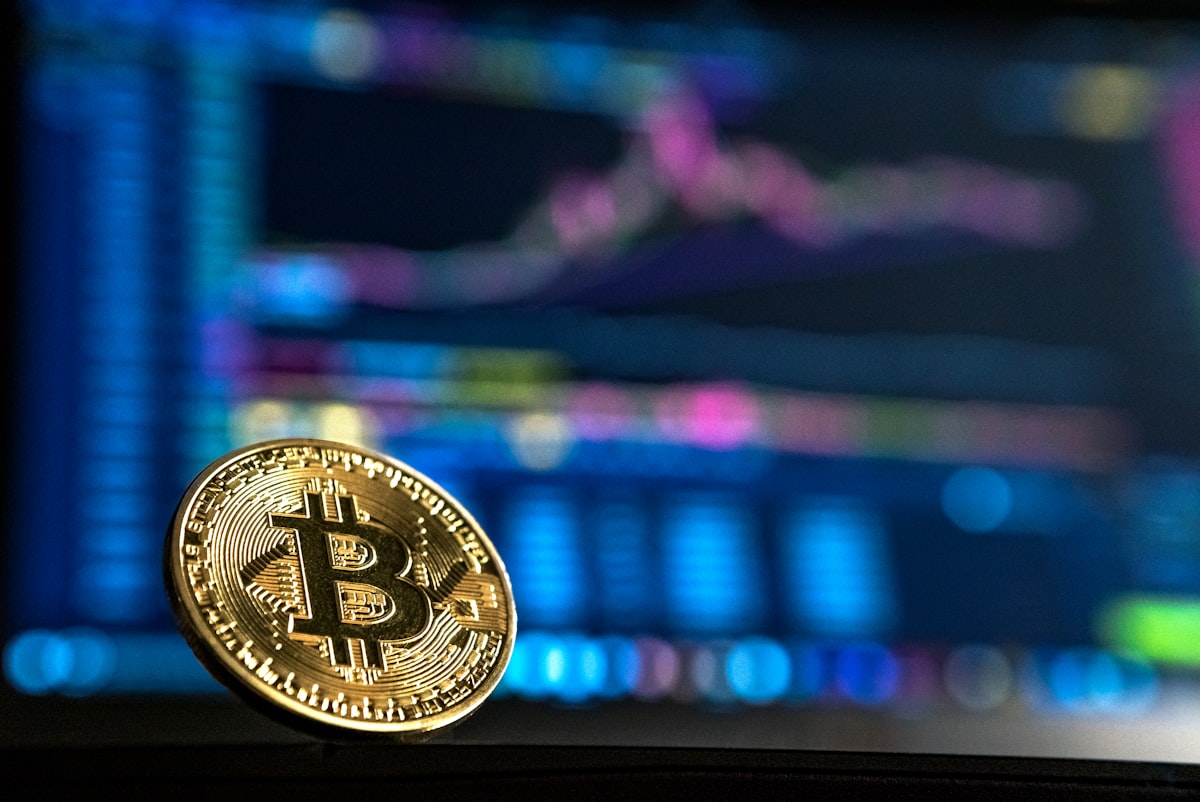
A New Chapter in Digital Asset Markets
Bitcoin surged past the $92,000 mark on April 8, 2026, establishing a new all-time high and marking a 34% gain since the beginning of the year. The rally has been driven by a confluence of factors that have shifted institutional sentiment from cautious interest to active deployment, fundamentally altering the landscape of digital asset markets and forcing a reevaluation of portfolio construction frameworks across the investment management industry.
The latest leg higher was catalyzed by BlackRock’s announcement that its iShares Bitcoin Trust (IBIT) had surpassed $75 billion in assets under management, making it one of the largest ETFs launched in the history of the product category. Daily inflows into spot Bitcoin ETFs across all major providers have averaged $890 million over the past two weeks, representing a sustained pace of capital allocation that dwarfs anything seen in previous crypto cycles.
The Institutional Thesis Has Matured
What distinguishes the current Bitcoin rally from previous cycles is the depth and breadth of institutional participation. In 2021, institutional involvement was largely speculative, driven by fear of missing out rather than fundamental analysis. In 2026, the narrative has shifted to one grounded in portfolio construction theory and verifiable on-chain data.
Sovereign wealth funds from Singapore, Norway, and the United Arab Emirates have disclosed Bitcoin allocations ranging from 1% to 3% of total portfolio value. University endowments including Harvard, Yale, and Stanford have made similar allocations, treating Bitcoin as a strategic asset class alongside traditional alternatives like private equity and hedge funds.
The corporate treasury adoption trend, pioneered by MicroStrategy and Tesla, has expanded to include companies outside the technology sector. Energy companies, pharmaceutical firms, and financial institutions have begun holding Bitcoin as a reserve asset, typically allocating 2-5% of corporate cash reserves to the digital asset.
On-chain metrics support the institutional thesis. Bitcoin’s realized volatility has declined from a historical average of 80% to approximately 45% on a 90-day annualized basis. This reduction in volatility, driven by deeper liquidity pools and more sophisticated market infrastructure, makes Bitcoin significantly more palatable for institutional portfolios that operate within strict risk management frameworks.
The Supply-Demand Dynamic
The April 2024 halving reduced Bitcoin’s issuance rate to 3.125 BTC per block, cutting annual supply inflation to approximately 0.85%. With approximately 19.8 million of the maximum 21 million Bitcoin already mined, the asset’s scarcity characteristics are becoming increasingly pronounced. For background, see U.S. Bureau of Labor Statistics.
Meanwhile, demand continues to accelerate. The combined demand from ETF inflows, corporate treasuries, and individual investors currently exceeds new supply by a factor of approximately 5:1. This structural imbalance is reflected in the declining exchange reserves, which have fallen to their lowest level since 2018 as long-term holders move Bitcoin to cold storage.
The hash rate, a measure of the computational power securing the Bitcoin network, has reached a new all-time high of 850 exahashes per second. This indicates that miners remain profitable and committed to the network’s security despite the reduced block reward, supported by rising transaction fee revenue that now accounts for approximately 15% of miner income.
Ethereum and the Broader Market
Ethereum has also benefited from the bullish sentiment, trading at $5,800 and approaching its previous all-time high. The Ethereum ecosystem has seen a resurgence in decentralized finance (DeFi) activity, with total value locked (TVL) across Ethereum-based protocols exceeding $180 billion. Layer 2 scaling solutions including Arbitrum, Optimism, and Base have reduced transaction costs to below $0.05, making decentralized applications accessible to a mass market audience.
The staking yield on Ethereum currently stands at 3.8%, providing a meaningful income stream for long-term holders. With inflation running at approximately 0.5% annually post-merge, Ethereum’s supply dynamics are effectively deflationary during periods of high network usage.
Other notable performers in the broader crypto market include Solana (SOL), which has rallied 45% year-to-date on the back of its growing DeFi and NFT ecosystems, and Chainlink (LINK), which has benefited from expanding oracle integration across institutional DeFi platforms.
Risk Factors and Regulatory Landscape
Despite the bullish momentum, several risk factors warrant careful consideration. Regulatory uncertainty remains a headwind, although the direction of travel is generally positive. The SEC has approved multiple spot ETFs and has signaled a willingness to provide clearer frameworks for digital asset classification. However, pending legislation in Congress regarding stablecoin regulation and digital asset custody requirements could introduce volatility if key provisions are perceived as overly restrictive. For background, see Investor.gov (SEC).
Geopolitical risks also merit attention. China’s continued prohibition on cryptocurrency trading creates periodic enforcement waves that can trigger short-term selling pressure, particularly in Asian trading hours. Additionally, the potential for central bank digital currencies (CBDCs) to compete with decentralized alternatives represents a longer-term structural risk that the market has not fully priced.
Technical risks inherent to the technology sector remain relevant. While Bitcoin’s core protocol has operated without significant downtime for over 15 years, smart contract platforms like Ethereum face ongoing security challenges. Multiple high-profile DeFi exploits in 2025 resulted in collective losses exceeding $2 billion, underscoring the importance of due diligence and risk management in digital asset investing.
Portfolio Integration Framework
For investors considering a Bitcoin allocation, the key question is sizing. Academic research suggests that a 1-5% Bitcoin allocation to a traditional 60/40 portfolio has historically improved risk-adjusted returns as measured by the Sharpe ratio, with the optimal allocation depending on the investor’s risk tolerance and investment horizon.
A 2% allocation represents a pragmatic starting point for most institutional and retail investors. This allocation is large enough to contribute meaningfully to portfolio returns during strong Bitcoin rallies while being small enough to limit downside impact during severe drawdowns, which have historically reached 70-80% from peak to trough in previous bear markets.
Dollar-cost averaging remains the most sensible approach for building a Bitcoin position. Attempting to time entries in a market characterized by high volatility and momentum-driven price action has proven counterproductive for most investors. A systematic monthly allocation removes emotional decision-making from the equation and ensures participation in long-term appreciation trends.
The key takeaway for market participants is that Bitcoin has graduated from a speculative curiosity to a legitimate asset class with a clear investment thesis, robust infrastructure, and growing institutional backing. The question is no longer whether to allocate to Bitcoin, but how much and through which vehicle. As with any asset class, the entry price matters, and current levels demand a sober assessment of valuation relative to fundamentals rather than chasing momentum.
Lectures complémentaires
- Les marchés mondiaux progressent alors que la Réserve fédérale signale une stabilité des taux jusqu'en 2026
- La volatilité du pétrole brut s'accentue dans un contexte de conflit d'approvisionnement au sein de l'OPEP+ et d'évolution de la demande énergétique.
- L'or atteint $2 420, soutenu par les achats des banques centrales et les tensions géopolitiques.
Foire aux questions
What is the main focus of this guide?
This guide explains bitcoin breaks $92,000 in a balanced, educational way, covering both the potential benefits and the key risks so you can make informed decisions.
What should I know about new chapter in digital asset markets?
This section covers a new chapter in digital asset markets. The key takeaway is to understand the underlying mechanics and the associated risks before acting, and to size any exposure conservatively.
What should I know about institutional thesis has matured?
This section covers the institutional thesis has matured. The key takeaway is to understand the underlying mechanics and the associated risks before acting, and to size any exposure conservatively.
What should I know about supply-demand dynamic?
This section covers the supply-demand dynamic. The key takeaway is to understand the underlying mechanics and the associated risks before acting, and to size any exposure conservatively.
Is this article financial advice?
No. This content is for educational and informational purposes only and does not constitute financial, investment, or trading advice. Always do your own research and consider consulting a licensed professional.
How can I learn more about this topic?
You can explore the related articles linked in this post, review the cited authoritative sources, and continue building your knowledge gradually before committing real capital.

 English
  German
  Polish
  French
  German (Switzerland)
  Croatian
  Czech
Czech  Italian
  Spanish
  Swedish
  Portuguese (Portugal)
  Portuguese (Brazil)
  Japanese
  Thai
Thai  Danish