
Odhadovaná doba čtení: ~14 minut
Umělá inteligence se z marketingového módního hesla stala skutečnou součástí přístupu mnoha lidí k kryptoměnovým trhům. Ale rozdíl mezi tím, co umělá inteligence obchoduje... vlastně dělá a co lidé představit si Stále je obrovský. Tato příručka srozumitelným jazykem vysvětluje, jak umělá inteligence funguje v obchodování s kryptoměnami v roce 2026 – skutečné mechanismy, poctivá omezení a rizika, která by měl každý obchodník pochopit, než svěří své peníze algoritmu.
Co vlastně znamená (a co neznamená) “obchodování s využitím umělé inteligence”
Když se řekne “obchodování s využitím umělé inteligence”, obvykle si představí systém, který předpovídá budoucnost. Ve skutečnosti je umělá inteligence v obchodování souborem statistických a strojových učebních technik, které nacházejí vzory v historických i reálných datech a poté jednají na základě pravděpodobností. Nezná budoucnost a nedokáže eliminovat nejistotu. Přesnější popis je, že umělá inteligence je velmi rychlý a neúnavný systém pro porovnávání vzorů, který se řídí pravidly – některá jsou psaná ručně, některá se učí z dat.
Toto rozlišení je důležité. Systém, který “předpovídá pravděpodobnosti”, se chová velmi odlišně od systému, který “ví, co se stane”. Zacházení s prvním jako s druhým je nejčastějším – a nejdražším – nedorozuměním v automatizovaném obchodování.
Stavební kameny umělé inteligence v obchodování s kryptoměnami
Modely strojového učení
Jádrem většiny obchodních systémů s umělou inteligencí jsou modely strojového učení trénované na historických cenových datech, informacích z knihy objednávek a dalších signálech. Mezi běžné přístupy patří učení s dohledem (předpovídání, zda cena v daném horizontu poroste nebo klesne), posilovací učení (agent, který se učí obchodní strategii metodou pokusů a omylů v simulaci) a modely časových řad navržené pro sekvenční data. Každý z nich má kompromisy v přesnosti, stabilitě a v tom, jak snadno se porouchá, když se změní tržní podmínky.
Datové vstupy a signály
Model je jen tak dobrý, jako jsou jeho data. Mezi typické vstupy patří cena a objem napříč burzami, hloubka knihy objednávek, míry volatility, míry financování na derivátových trzích a metriky na burze, jako jsou toky peněženek a zůstatky na burze. Kvalita, latence a čistota těchto dat přímo určují, jak užitečný bude výstup modelu. “Odpad dovnitř, odpad ven” není v obchodování klišé – je to každodenní provozní realita.
Sentiment a analýza v řetězci
Mnoho moderních systémů využívá zpracování přirozeného jazyka k měření sentimentu na trhu ze zpráv, sociálních médií a aktivity vývojářů. Analýza na blockchainu přidává další rozměr přímým čtením dat z blockchainu. Obě mohou být cenné, ale obě jsou zašuměné: sentiment lze manipulovat a signály na blockchainu jsou často nejednoznačné. Nejlépe je s nimi zacházet jako s podpůrným kontextem, nikoli jako se samostatnými spouštěči.
Jak obchodní systém s umělou inteligencí rozhoduje
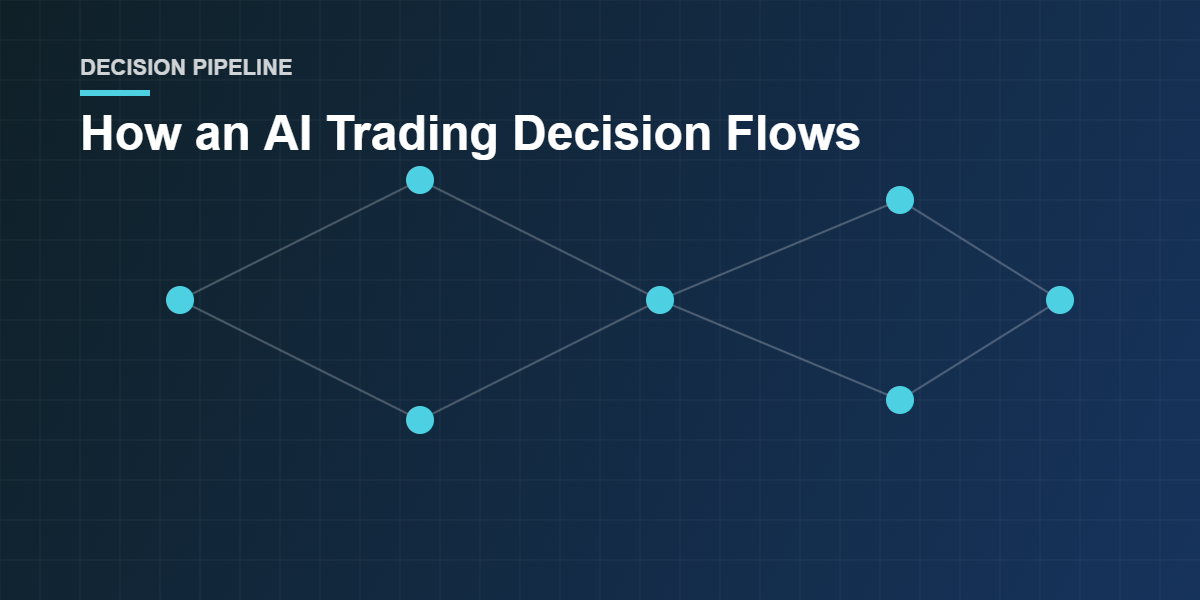
Zbavení se podstaty obchodního rozhodnutí s využitím umělé inteligence obvykle řídí tímto řetězcem: sběr a čištění vstupních dat; transformace těchto dat do rysů, kterým model rozumí; vložení těchto rysů do trénovaného modelu za účelem vytvoření pravděpodobnosti nebo skóre; průchod tohoto skóre pravidly rizika, která rozhodují o velikosti pozice a o tom, zda vůbec obchodovat; a nakonec odeslání příkazu na burzu. Model je pouze jedním článkem. Vrstva rizika, která jej obaluje, je často tím, co odděluje udržitelný systém od katastrofického.
Automatizované boty a jejich spuštění
Backtesting a jeho pasti
Před spuštěním jsou strategie obvykle zpětně testovány na historických datech. Zpětné testování je nezbytné, ale je to také oblast, kde většina strategií vypadá mnohem lépe, než si ve skutečnosti vedou. Přeladění – tedy ladění modelu tak úzce na minulá data, že zachycuje spíše šum než signál – vede k krásným historickým křivkám a neuspokojivým reálným výsledkům. Předpojatost look-ahead, předpojatost přežití a ignorování poplatků a skluzů dále nafukují výsledky zpětného testování.
Živé provedení a skluz
Na živých trzích cena, kterou vidíte, není vždy cenou, kterou dostanete. Slippage, latence, částečné naplnění a výpadky burzy narušují teoretický výkon. Na slabých nebo volatilních kryptoměnových trzích mohou tyto tření v provádění změnit “ziskový” model na ztrátový. Realistický systém tyto náklady zohledňuje od začátku, místo aby je odhalil až po nasazení.
Co umělá inteligence umí dobře – a co ve skutečnosti neumí
Umělá inteligence je skutečně silná v rychlém zpracování velkých objemů dat, prosazování disciplíny bez emocí, sledování mnoha trhů současně a důsledném provádění definovaného plánu. To jsou skutečné a smysluplné výhody oproti unavenému nebo emocionálně naladěnému lidskému obchodníkovi.
Co umělá inteligence nedokáže, je stejně důležité: nedokáže předvídat skutečně bezprecedentní události, nemůže zaručit zisky – a proto… rozhodování, zda se vyplatí používat umělou inteligenci Tolik závisí na uživateli a nedokáže se okamžitě přizpůsobit tržnímu režimu, který nikdy nezažil. Když se podmínky dramaticky změní – regulační šok, kolaps burzy, krach typu černá labuť – modely trénované na klidnější historii mohou selhat rychle a vážně. Žádný poctivý poskytovatel neslibuje opak.
Skutečná rizika, kterým by měl každý uživatel rozumět
Několik rizik si zaslouží zvláštní pozornost. Přeplnění způsobuje, že strategie vypadá spolehlivě, dokud se reálné podmínky nezačnou lišit od trénovacích dat. Neprůhlednost černé skříňky znamená, že některé modely nemohou vysvětlit proč obchodují, což ztěžuje diagnostiku selhání. Změny tržního režimu může model zneplatnit přes noc. Problémy s kvalitou dat tiše korumpovaná rozhodnutí. A přílišná závislost – důvěřovat systému, kterému nerozumíte, a nechat ho bez dohledu – promění nástroj v zátěž. Pákový efekt zesiluje všechna tato rizika.
Jak zodpovědně používat nástroje umělé inteligence
Zodpovědné používání začíná řízením rizik, nikoli algoritmem. Předem se rozhodněte, kolik kapitálu jste ochotni ztratit, používejte pravidla pro určování velikosti pozic a zastavení obchodů a nikdy neinvestujte peníze, které si nemůžete dovolit ztratit. Začněte v malém, aktivně sledujte a s jakýmkoli nástrojem umělé inteligence zacházejte jako s asistentem, nikoli jako s autopilotem. Pochopte poplatky, podmínky výběru a to, kdo vaše finanční prostředky skutečně drží. Pokud si nejste jisti, zda má poskytovatel licenci, zkontrolujte oficiální registry, jako například FCA nebo SEC. Pokud je strategie platformy zcela neprůhledná nebo její výsledky zní příliš dobře, než aby to byla pravda, berte to spíše jako důvod k opatrnosti než k nadšení.
Často kladené otázky
Dokáže umělá inteligence přesně předpovědět ceny kryptoměn?
Žádný nástroj nedokáže spolehlivě předpovídat ceny. Umělá inteligence pracuje s pravděpodobnostmi založenými na minulých vzorcích a tyto vzorce se mohou bez varování rozpadnout. K jakémukoli tvrzení o přesné předpovědi přistupujte s velkou skepsí.
Je obchodování s umělou inteligencí vhodné pro začátečníky?
Začátečníci mohou používat nástroje umělé inteligence, ale nejprve by měli pochopit základní obchodní koncepty a řízení rizik. Spoléhat se na systém, kterému nerozumíte, je riskantní bez ohledu na to, jak sofistikovaný se zdá.
Zaručuje obchodování s umělou inteligencí zisk?
Ne. Jakýkoli nástroj, platforma nebo jednotlivec slibující garantované zisky by měl být považován za vážné varování. Veškeré obchodování s sebou nese riziko ztráty.
Kolik peněz potřebuji na začátek?
Neexistuje univerzální odpověď, ale rozumným principem je začít s částkou, kterou si můžete dovolit zcela ztratit, zatímco se učíte, jak se systém chová v reálných podmínkách.
Co je to nadměrné vybavení a proč je to důležité?
Přeplnění (overfitting) je stav, kdy je model tak úzce vyladěn na historická data, že zachycuje šum místo skutečných vzorců. Produkuje působivé backtesty, ale na reálných trzích si často vede špatně.
Mám nechat běžícího AI bota bez dozoru?
Není moudré nechávat automatizované systémy zcela bez dohledu. Trhy se mění, spojení selhávají a modely se odchylují. Aktivní dohled je i nadále nezbytný.
Jsou nástroje pro obchodování s umělou inteligencí regulovány?
Regulace se značně liší v závislosti na jurisdikci a poskytovateli. Před použitím jakékoli platformy si ověřte její regulační status, licenci a způsob, jakým chrání finanční prostředky zákazníků.
Shrnutí
Umělá inteligence v obchodování s kryptoměnami v roce 2026 je mocným nástrojem pro zpracování dat a vynucování disciplíny, ale není to křišťálová koule ani zkratka k garantovaným výnosům. Nejvíce z toho profitují obchodníci, kteří chápou jak silné stránky, tak i limity umělé inteligence, kteří jakýkoli model zabalí do solidního řízení rizik a kteří zůstávají aktivní, místo aby zcela předávali kontrolu. Pokud zkoumáte nástroje umělé inteligence, dejte si na čas, začněte v malém, ověřte si každé tvrzení a upřednostňujte pochopení před humbukem.
Související čtení
- Vyplatí se používat umělou inteligenci pro obchodování s kryptoměnami?
- Recenze CryptifyAutoX 2026: Poctivá a opatrná analýza
Nezávislé informace o konceptech automatizovaného a algoritmického obchodování naleznete ve vzdělávacích zdrojích, jako například Přehled algoritmického obchodování od Investopedie. Chcete-li ověřit, zda je poskytovatel regulován, nahlédněte do oficiálních registrů, jako je například Americká SEC, ten FCA Spojeného království, nebo ESMA (Evropský orgán pro cenné papíry a trhy).
Prohlášení o vyloučení odpovědnosti: Tento článek slouží pouze pro vzdělávací a informační účely a nepředstavuje finanční, investiční ani obchodní poradenství. Obchodování s kryptoměnami s sebou nese vysokou míru rizika, včetně potenciální ztráty celého vašeho kapitálu. Minulá výkonnost a výsledky testované na základě zpětných testů nezaručují budoucí výsledky. Nic zde uvedeného není doporučením k nákupu, prodeji nebo používání jakéhokoli konkrétního produktu, platformy nebo strategie. Před učiněním jakýchkoli finančních rozhodnutí si vždy proveďte vlastní průzkum a zvažte konzultaci s licencovaným finančním odborníkem.

 English
  German
  Polish
  French
  German (Switzerland)
  Croatian
  Czech
Czech  Italian
  Spanish
  Swedish
  Portuguese (Portugal)
  Portuguese (Brazil)
  Japanese
  Thai
Thai  Danish