
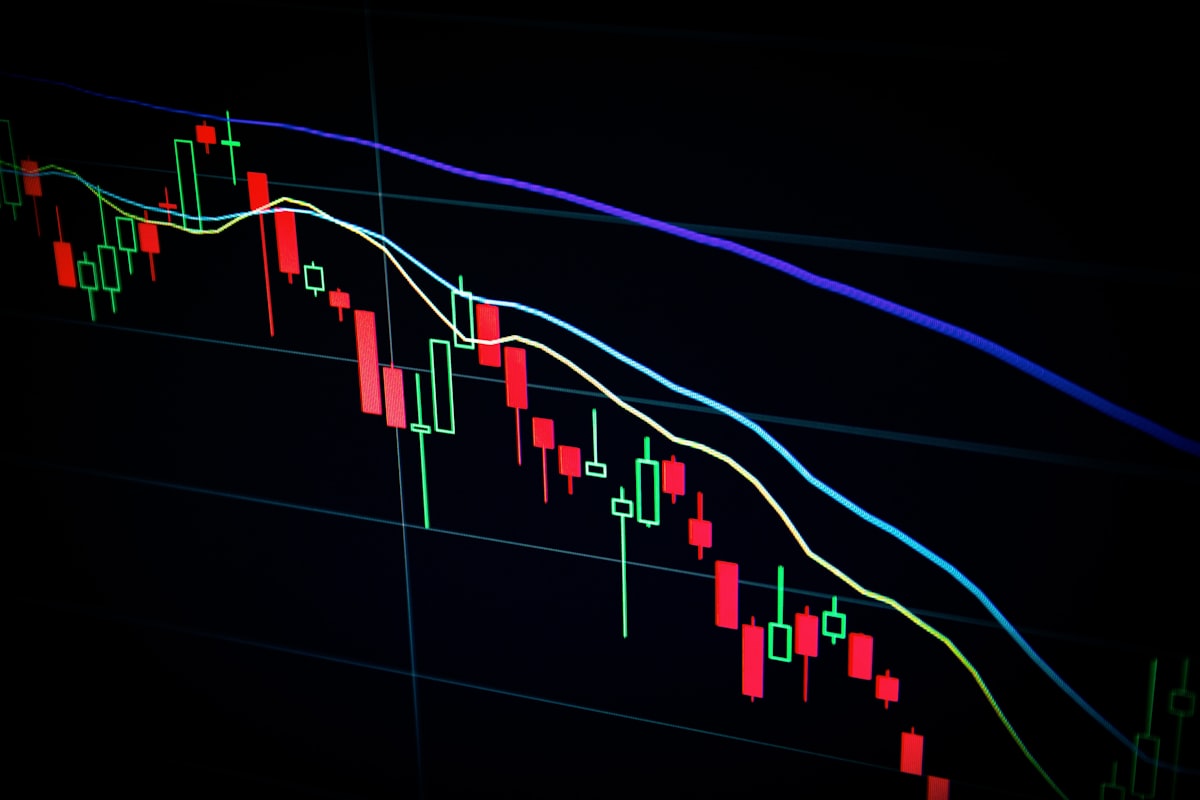
Candlestick-diagram är det visuella språket för prisrörelser. De utvecklades av japanska rishandlare för århundraden sedan och är nu standard på varje handelsplattform. De komprimerar fyra informationsbitar – öppning, hög, låg och stängning – till en enda form som avslöjar kampen mellan köpare och säljare. Att lära sig läsa candlestick-mönster för handel låter dig tolka marknadspsykologi i realtid, utan att eftersläpande indikatorer kommer i vägen. För bakgrund, se Investopedia: Teknisk analys.
Den här guiden förklarar hur ljusstakar byggs, de mest tillförlitliga mönstren med en eller flera ljusstakar, hur man bekräftar dem och de misstag som får handlare att se signaler som egentligen inte finns där.
Hur en ljusstake är konstruerad
Varje ljusstake representerar en period – en minut, en timme, en dag – och har två delar. kropp sträcker sig över avståndet mellan öppning och stängning. Den tunna vekar (eller skuggor) sträcker sig till höga och låga värden. En stängning ovanför öppningen visas vanligtvis som en ihålig eller grön kropp (bullish); en stängning under öppningen visas som en fylld eller röd kropp (bearish).
Formen berättar en historia. En lång grön kropp betyder att köpare dominerade från öppning till stängning. En lång, lägre veke betyder att säljare pressade ner priset men köparna kämpade tillbaka för att stänga nära toppen. Sambandet mellan kropp och veke är där psykologin finns.
Mönster med ett enda ljus
Doji
En doji bildas när öppnings- och stängningskurserna är nästan lika stora, vilket skapar en liten kropp med vekar på vardera sidan. Det signalerar obeslutsamhet – varken köpare eller säljare vann perioden. Efter en stark trend kan en doji varna för att momentum stannar av, särskilt när det dyker upp på en viktig nivå.
Hammaren och den hängande mannen
En hammare har en liten kropp nära toppen av intervallet och en lång nedre veke som är minst dubbelt så lång som kroppens längd. Om den dyker upp efter en nedåtgående trend antyder den att säljare drev ner priset men köparna återtog kontrollen – en potentiell hausseartad vändning. Den identiska formen efter en uppåtgående trend kallas en hängande man och varnar för potentiell svaghet.
Stjärnfallet
Hammarens spegelbild, ett stjärnfall, har en liten kropp nära botten och en lång övre veke. Efter en uppåtgående trend signalerar den att köpare har drivit upp priset men säljare har sänkt det igen – en potentiell baisseartad vändning.
Tvåljusmönster
Den hausseartade och baisseartade uppslukningen
Ett hausseartat uppslukningsmönster uppstår när ett litet rött ljus följs av ett större grönt ljus vars kropp helt omsluter det föregående. Det visar en avgörande förskjutning från sälj till köp och är en av de mer tillförlitliga vändningssignalerna, särskilt vid stöd efter en nedåtgående trend. Den baisseartade uppslukningen är dess motsats – en stor röd kropp som sväljer en tidigare grön kropp vid motstånd.
Piercinglinjen och det mörka molntäcket
Den piercingliknande linjen är en två-ljus hausseartad vändning där ett grönt ljus stänger över mittpunkten för det föregående röda ljuset. Det mörka molntäcket är dess baisseartade motsvarighet, med ett rött ljus som stänger under mittpunkten för det föregående gröna. Båda signalerar en betydande förändring i maktbalansen.
Tre-ljusmönster
Morgonstjärna och aftonstjärna
Morgonstjärnan är en hausseartad botten med tre ljus: ett stort rött ljus, ett litet ljus ("stjärnan") som indikerar obeslutsamhet, sedan ett stort grönt ljus som bekräftar vändningen. Kvällsstjärnan är den baisseartade toppen – ett stort grönt ljus, en liten stjärna och sedan ett stort rött ljus. Dessa flerljusmönster är bland de mest respekterade eftersom de fångar en fullständig förändring i sentimentet över flera perioder.
Tre vita soldater och tre svarta kråkor
Tre vita soldater är tre långa gröna ljus i följd, som vart och ett stänger högre och signalerar starkt och ihållande köp. Tre svarta kråkor är tre långa röda ljus som signalerar ihållande försäljning. Båda indikerar kraftfull momentum snarare än vändning.
Den gyllene regeln: Kontext är allt
Den enskilt viktigaste lärdomen i candlestick-analys är att mönster betyder lite i sig själva. En hammare mitt i ett ojämnt intervall är brus. Samma hammare på en väletablerad stödnivå, efter en längre nedåtgående trend, på över genomsnittlig volym, är en signal med hög sannolikhet. Läs alltid candlesticks i sitt sammanhang: var bildas mönstret, vad är den rådande trenden och finns det bekräftelse?
Bekräftelsetekniker
- Plats: Mönstret bör visas på en meningsfull nivå – stöd, motstånd eller glidande medelvärde.
- Volym: Ett omvändningsmönster på hög volym bär betydligt mer vikt än ett på låg volym.
- Uppföljning: vänta på nästa ljus för att bekräfta den underförstådda riktningen innan du bestämmer dig.
- Sammanflöde: Ju fler oberoende signaler som överensstämmer, desto starkare blir uppställningen.
Bygga en ljusstakebaserad handel
Tänk dig en aktie i en tydlig uppåtgående trend som drar tillbaka till sitt stigande 50-dagars glidande medelvärde. På den nivån bildas ett hausseartat, uppslukande ljus (Engulfing Candle) på en volym långt över genomsnittet. En handlare som använder ljusstakar för ingångar kan köpa när nästa ljus tar ut det uppslukande ljusets högsta, placera ett stopp strax under mönstrets lägsta och sikta på en tidigare swing-högsta för ett gynnsamt belöning-risk-förhållande. Ljuset fungerade inte ensamt – det fungerade eftersom trend, plats, volym och bekräftelse alla stämde överens.
Vanliga misstag vid läsning av ljusstakar
- Handelsmönster utan sammanhang, och behandlar varje hammare eller doji som en signal.
- Ignorerar den högre tidsramen, där den verkliga trenden lever.
- Glömmer volymen, vilket bekräftar eller undergräver ett mönster.
- Agera före bekräftelse, går in i ett mönster som nästa ljus ogiltigförklarar.
- Överhandel små mönster på korta tidsramar som mestadels är slumpmässigt brus.
Psykologin kodad i varje ljus
Bakom varje ljusstake finns en berättelse om mänskliga känslor – rädsla, girighet, hopp och kapitulation som utspelar sig i realtid. Att förstå den berättelsen är det som skiljer memorering av mönster från genuin skicklighet. En lång, nedre veke är inte bara en form; det är det synliga fotavtrycket av säljare som driver ner priset i panik, bara för att bli överväldigade av köpare som såg värdet och ingrep aggressivt innan perioden stängde.
När du läser ett candle på det här sättet slutar mönstren att vara godtyckliga namn att memorera och börjar bli logiska konsekvenser av publikens beteende. Ett hausseartat, uppslukande candle vid stödnivån visar att säljtrycket byggdes upp, och sedan anlände köpare med tillräckligt med kraft för att radera en hel tidigare session med förluster i ett drag – en genuin, observerbar förändring i kontroll. Detta tolkningslager är anledningen till att erfarna handlare förlitar sig på candles även efter årtionden: de är en direkt avläsning av sentiment, inte en härledd beräkning.
Fortsättningsmönster: När trenden pausar, inte slutar
Inte alla mönster signalerar en vändning. Fortsättningsmönster indikerar att en trend bara hämtar andan innan den återupptas, och att handla dem korrekt håller dig på rätt sida av starka rörelser.
Stigande och fallande tre metoder
De tre stigande metoderna är ett hausseartat fortsättningsmönster: ett långt grönt ljus, följt av tre små röda ljus som håller sig inom intervallet för det första, sedan ytterligare ett starkt grönt ljus som stänger vid en ny högsta nivå. Det visar en kort, ordnad tillbakagång som inte lyckas vända trenden – köparna pausade helt enkelt. De tre fallande metoderna är den baisseartade motsvarigheten inom en nedåtgående trend.
Snurrtoppar inom en trend
Snurror – små kroppar med vekar på båda sidor – signalerar obeslutsamhet. Mitt i en stark trend markerar ett kluster av snurror ofta en sund konsolidering snarare än en topp eller botten, och trenden återupptas ofta när obeslutsamheten har lagt sig.
Kombinera ljusstakar med andra verktyg
Ljusstakar når sin fulla kraft i kombination med den bredare tekniska verktygslådan. Tre kombinationer är särskilt effektiva.
- Ljusstakar plus stöd och motstånd: Ett vändljus på en testad nivå är mycket starkare än ett i öppet utrymme.
- Ljusstakar plus glidande medelvärden: En hammare som studsar mot ett stigande 50-dagars glidande medelvärde stämmer överens med trend och signal.
- Ljusstakar plus momentumindikatorer: en baisseartad uppslukande medan en momentumoscillator visar överköpta förhållanden staplar två oberoende varningar.
Denna idé om sammanflöde — flera oberoende signaler som pekar åt samma håll — är grunden för handel med hög sannolikhet. Inget enskilt ljus bör någonsin vara hela anledningen till en handel.
Tidsramsjustering och analys över flera tidsramar
Ett mönsters tillförlitlighet skalas med tidsramen och med överensstämmelse över tidsramar. En hausseartad vändning på det dagliga diagrammet som överensstämmer med en uppåtgående trend på det veckovisa diagrammet är en kraftfull uppställning. Samma dagliga mönster som kämpar mot en tydlig veckovis nedåtgående trend är mycket mer sannolikt att misslyckas.
En praktisk metod är top-down-analys: börja på veckodiagrammet för att fastställa den dominerande trenden, gå ner till det dagliga diagrammet för att hitta mönstret och nyckelnivån, och använd sedan valfritt ett intradagsdiagram för att finjustera inträdet. Handelsmönster som överensstämmer med trenden på högre tidsram förbättrar dina odds dramatiskt, eftersom du handlar med den rådande strömmen snarare än mot den.
Varför lägre tidsramar lurar
På enminuts- och femminutersdiagram garanterar den stora mängden ljusstakar att läroboksmönster dyker upp konstant – de flesta av dem meningslösa. Ju kortare tidsram, desto högre är förhållandet mellan brus och signal. Nybörjare som lär sig mönster på små tidsramar drar ofta slutsatsen att "ljusstakar inte fungerar", när det verkliga problemet är att de läste slumpmässiga fluktuationer som signaler.
En realistisk varning om tillförlitlighet
Det är viktigt att vara ärlig om förväntningarna. Även de bästa candlestick-mönstren, som handlas med fullständig bekräftelse, misslyckas en betydande andel av tiden. De förskjuter sannolikheterna till din fördel; de garanterar inte resultat. Det är just därför riskhantering – fördefinierade stopp och förnuftig positionsstorlek – fortfarande är avgörande. Mönstret leder dig in i en handel med fördel; dina riskregler säkerställer att de oundvikliga misslyckandena kostar lite och att vinnarna får betala för dem. För bakgrund, se Investor.gov: Kryptotillgångar.
Hur man övar effektivt på att läsa ljusstakar
Mönsterigenkänning är en färdighet som byggs upp genom avsiktlig upprepning, inte passiv läsning. Det snabbaste sättet att internalisera ljusstakeanalys är att studera historiska diagram över en marknad du känner till, markera varje betydande mönster och sedan kontrollera vad som hände sedan. Genom hundratals exempel utvecklar du en intuitiv känsla för vilka mönster som fungerar i vilka sammanhang.
- Välj en marknad och en tidsram — till exempel det dagliga diagrammet för en större index-ETF.
- Bläddra tillbaka genom historiken och markera varje tydligt omvändningsljus på en nyckelnivå.
- Observera sammanhangettrend, plats och volym vid varje förekomst.
- Spåra resultatetLedde mönstret till den rörelse det antydde?
- För en enkel loggbok så att du kan mäta din egen mönsterläsningsnoggrannhet över tid.
Denna övning avslöjar en obekväm men värdefull sanning: samma mönster beter sig väldigt olika beroende på sammanhang. Den insikten – att sammanhanget dominerar själva mönstret – är det enskilt viktigaste steget från nybörjare till kompetent teknisk läsare.
Att sätta ihop allt
Effektiv candlestick-handel är en process i flera lager. Du börjar med den dominerande trenden på en högre tidsram, identifierar en meningsfull nivå där priset sannolikt kommer att reagera, väntar på att ett igenkännbart mönster ska bildas på den nivån, bekräftar det med volym och uppföljning, och agerar först sedan – med ett fördefinierat stopp och mål. Varje lager filtrerar bort svagare inställningar, vilket lämnar dig med de affärer med hög sannolikhet som motiverar ditt kapital och din uppmärksamhet.
Målet är aldrig att handla med varje mönster man ser. Det är att vänta tålmodigt på de sällsynta ögonblicken då trend, nivå, mönster, volym och bekräftelse alla överensstämmer, och att agera beslutsamt när de gör det. Den selektiviteten, mer än något enskilt mönster, är det som ger konsekventa resultat.
Vanliga frågor
Vilka är de mest pålitliga ljusstake-mönstren?
Bland de mest tillförlitliga är de hausseartade och bearish engulfing-mönstren, hammaren och stjärnfallet, samt morgon- och kvällsstjärneformationerna – särskilt när de uppträder på viktiga stöd- eller motståndsnivåer med stark volym- och trendbekräftelse.
Fungerar ljusstakemönster verkligen?
Ljusstakemönster återspeglar verkliga förändringar i köpar- och säljarpsykologi, men de är probabilistiska, inte prediktiva. De fungerar bäst som en del av en bredare analys som inkluderar trend, nyckelnivåer, volym och bekräftelse snarare än som fristående signaler.
Vad betyder en doji-ljusstake?
En doji bildas när öppnings- och stängningskurserna är nästan lika, vilket signalerar osäkerhet mellan köpare och säljare. Efter en stark trend kan en doji på en viktig nivå varna för att momentum stannar av och en vändning kan vara nära.
Hur bekräftar jag ett candlestick-mönster?
Bekräfta ett mönster genom att kontrollera dess placering på en meningsfull nivå, volymen bakom det och uppföljning från nästa ljus. Ju fler oberoende signaler som överensstämmer, desto högre är sannolikheten för att mönstret spelas upp.
Vilken tidsram är bäst för candlestick-mönster?
Högre tidsramar, som till exempel dagliga och veckovisa diagram, producerar mer tillförlitliga ljussignaler eftersom varje ljus återspeglar mer deltagande. Lägre tidsramar innehåller mer brus, där många mönster i huvudsak är slumpmässiga.
Slutsats
Ljusstakemönster är ett fönster in i den psykologi som driver priset – men bara när de läses i sitt sammanhang. Bemästra hur ljusstakar är uppbyggda, lär dig kärnmönster för omvändning och fortsättning, och kräv alltid bekräftelse från trend, plats och volym. Använda på detta sätt blir ljusstakar ett av de tydligaste och mest omedelbara verktygen inom teknisk analys.
Börja med att studera bara ett fåtal mönster på det dagliga diagrammet för en marknad du känner väl till. Att känna igen dem i verkliga förhållanden, om och om igen, är hur prisspråket blir en andra natur.
Relaterad läsning
- Teknisk uppdelning av EUR/USD: Viktiga nivåer och handelsinställningar för april 2026
- Bygga ett riskhanteringsramverk som faktiskt fungerar för aktiva handlare
- Swing Trading Masterclass: Hur man identifierar och genomför högsannolikhetsupplägg
Vanliga frågor
Vad är huvudfokus i den här guiden?
Den här guiden förklarar hur man läser candlestick-mönster på ett balanserat och lärorikt sätt, och täcker både de potentiella fördelarna och de viktigaste riskerna så att du kan fatta välgrundade beslut.
Vad bör jag veta om hur en ljusstake är konstruerad?
Det här avsnittet behandlar hur en candlestick är konstruerad. Det viktigaste är att förstå den underliggande mekaniken och de därmed sammanhängande riskerna innan man agerar, och att dimensionera eventuell exponering konservativt.
Vad bör jag veta om mönster med ett enda ljus?
Det här avsnittet behandlar mönster med enskilda candlesticks. Det viktigaste är att förstå den underliggande mekaniken och de därmed sammanhängande riskerna innan man agerar, och att dimensionera eventuell exponering konservativt.
Vad bör jag veta om mönster med två ljus?
Det här avsnittet behandlar två-ljusmönster. Den viktigaste slutsatsen är att förstå den underliggande mekaniken och de därmed sammanhängande riskerna innan man agerar, och att dimensionera eventuell exponering konservativt.
Är den här artikeln ekonomisk rådgivning?
Nej. Detta innehåll är endast avsett för utbildnings- och informationsändamål och utgör inte finansiell rådgivning, investeringsrådgivning eller handelsrådgivning. Gör alltid din egen research och överväg att rådfråga en licensierad expert.
Hur kan jag lära mig mer om det här ämnet?
Du kan utforska de relaterade artiklarna som länkas i det här inlägget, granska de citerade auktoritativa källorna och fortsätta att bygga upp din kunskap gradvis innan du satsar reellt kapital.
Ansvarsfriskrivning: Den här artikeln är endast avsedd för utbildnings- och informationsändamål och utgör inte finansiell rådgivning, investeringsrådgivning eller handelsrådgivning. Handel medför en betydande risk för förlust. Gör alltid din egen research och överväg att rådfråga en licensierad finansiell expert innan du fattar några investeringsbeslut.

 English
  German
  Polish
  French
  German (Switzerland)
  Croatian
  Czech
Czech  Italian
  Spanish
  Swedish
  Portuguese (Portugal)
  Portuguese (Brazil)
  Japanese
  Thai
Thai  Danish