
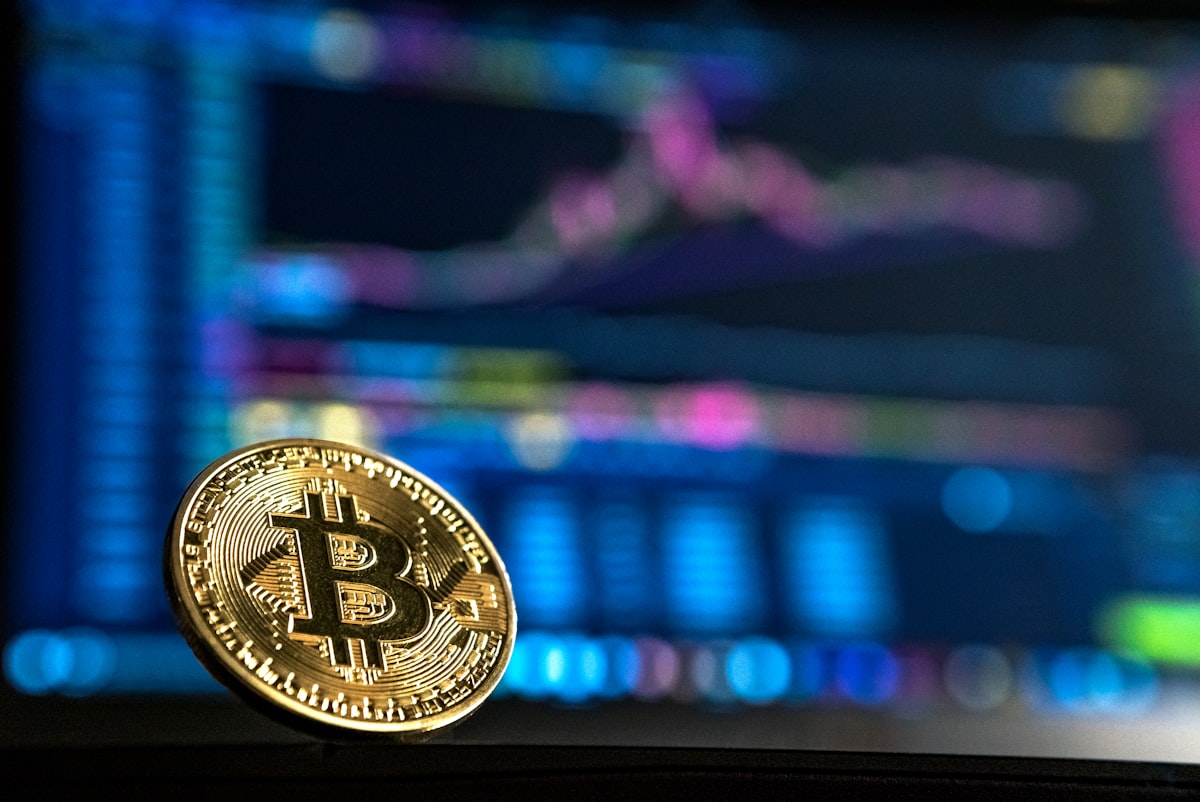
Un nuevo capítulo en los mercados de activos digitales
El 8 de abril de 2026, Bitcoin superó la marca de $92,000, estableciendo un nuevo máximo histórico y registrando una ganancia de 34% desde principios de año. Este repunte se ha visto impulsado por una confluencia de factores que han transformado el sentimiento institucional, pasando de un interés cauteloso a una inversión activa, alterando fundamentalmente el panorama de los mercados de activos digitales y obligando a reevaluar los marcos de construcción de carteras en toda la industria de gestión de inversiones.
El reciente repunte se vio impulsado por el anuncio de BlackRock de que su iShares Bitcoin Trust (IBIT) había superado los 1.047.500 millones de dólares en activos bajo gestión, convirtiéndose así en uno de los ETF más grandes jamás lanzados en la historia de esta categoría de productos. Las entradas diarias a los ETF de Bitcoin al contado de todos los principales proveedores han promediado 1.048.900 millones de dólares en las últimas dos semanas, lo que representa un ritmo sostenido de asignación de capital que supera con creces cualquier cosa vista en ciclos de criptomonedas anteriores.
La tesis institucional ha madurado.
Lo que distingue el actual repunte del Bitcoin de ciclos anteriores es la profundidad y amplitud de la participación institucional. En 2021, la participación institucional fue en gran medida especulativa, impulsada por el temor a perderse la oportunidad más que por el análisis fundamental. En 2026, la narrativa ha cambiado y ahora se basa en la teoría de la construcción de carteras y en datos verificables en la cadena de bloques.
Los fondos soberanos de Singapur, Noruega y los Emiratos Árabes Unidos han revelado asignaciones de Bitcoin que oscilan entre 11 TP3T y 31 TP3T del valor total de sus carteras. Los fondos de dotación de universidades como Harvard, Yale y Stanford han realizado asignaciones similares, considerando a Bitcoin como una clase de activo estratégico junto con alternativas tradicionales como el capital privado y los fondos de cobertura.
La tendencia de adopción de Bitcoin como activo de reserva en las tesorerías corporativas, iniciada por MicroStrategy y Tesla, se ha extendido a empresas fuera del sector tecnológico. Compañías energéticas, farmacéuticas e instituciones financieras han comenzado a mantener Bitcoin como activo de reserva, destinando generalmente entre 2 y 3 billones de dólares de sus reservas de efectivo a este activo digital.
Las métricas en la cadena de bloques respaldan la tesis institucional. La volatilidad realizada de Bitcoin ha disminuido de un promedio histórico de 80% a aproximadamente 45% en una base anualizada de 90 días. Esta reducción de la volatilidad, impulsada por mayores reservas de liquidez y una infraestructura de mercado más sofisticada, hace que Bitcoin sea significativamente más atractivo para las carteras institucionales que operan dentro de marcos estrictos de gestión de riesgos.
La dinámica de la oferta y la demanda
La reducción a la mitad de abril de 2024 disminuyó la tasa de emisión de Bitcoin a 3,125 BTC por bloque, reduciendo la inflación anual de la oferta a aproximadamente 0,85%. Con aproximadamente 19,8 millones de los 21 millones de Bitcoin máximos ya minados, las características de escasez del activo se están volviendo cada vez más pronunciadas. Para más información, consulte Oficina de Estadísticas Laborales de EE. UU..
Mientras tanto, la demanda continúa acelerándose. La demanda combinada de las entradas de ETF, las tesorerías corporativas y los inversores individuales supera actualmente la nueva oferta en una proporción aproximada de 5:1. Este desequilibrio estructural se refleja en la disminución de las reservas de las bolsas, que han caído a su nivel más bajo desde 2018, a medida que los poseedores a largo plazo trasladan Bitcoin a almacenamiento en frío.
La tasa de hash, una medida de la potencia computacional que protege la red Bitcoin, ha alcanzado un nuevo máximo histórico de 850 exahashes por segundo. Esto indica que los mineros siguen siendo rentables y comprometidos con la seguridad de la red a pesar de la reducción de la recompensa por bloque, gracias al aumento de los ingresos por comisiones de transacción, que ahora representan aproximadamente 151 TP3T de los ingresos de los mineros.
Ethereum y el mercado en general
Ethereum también se ha beneficiado del optimismo generalizado, cotizando a $5,800 y acercándose a su máximo histórico anterior. El ecosistema Ethereum ha experimentado un resurgimiento de la actividad de finanzas descentralizadas (DeFi), con un valor total bloqueado (TVL) en protocolos basados en Ethereum que supera los $180 mil millones. Las soluciones de escalabilidad de capa 2, como Arbitrum, Optimism y Base, han reducido los costos de transacción a menos de $0.05, lo que hace que las aplicaciones descentralizadas sean accesibles para un público masivo.
Actualmente, el rendimiento del staking en Ethereum se sitúa en 3,81 TP3T, lo que proporciona una fuente de ingresos significativa para los inversores a largo plazo. Dado que la inflación ronda los 0,51 TP3T anuales tras la fusión, la dinámica de la oferta de Ethereum es, en la práctica, deflacionaria durante los periodos de alta utilización de la red.
Otros actores destacados en el mercado de criptomonedas en general incluyen a Solana (SOL), que ha experimentado un alza de 45% en lo que va del año gracias a sus crecientes ecosistemas DeFi y NFT, y Chainlink (LINK), que se ha beneficiado de la creciente integración de oráculos en las plataformas DeFi institucionales.
Factores de riesgo y marco regulatorio
A pesar del impulso alcista, varios factores de riesgo merecen una cuidadosa consideración. La incertidumbre regulatoria sigue siendo un obstáculo, aunque la tendencia general es positiva. La SEC ha aprobado varios ETF al contado y ha manifestado su disposición a proporcionar marcos más claros para la clasificación de activos digitales. Sin embargo, la legislación pendiente en el Congreso sobre la regulación de las stablecoins y los requisitos de custodia de activos digitales podría generar volatilidad si las disposiciones clave se perciben como excesivamente restrictivas. Para más información, consulte Investor.gov (SEC).
Los riesgos geopolíticos también merecen atención. La continua prohibición de China sobre el comercio de criptomonedas genera oleadas periódicas de medidas coercitivas que pueden desencadenar presiones de venta a corto plazo, especialmente durante las horas de negociación asiáticas. Además, el potencial de las monedas digitales de los bancos centrales (CBDC) para competir con alternativas descentralizadas representa un riesgo estructural a largo plazo que el mercado aún no ha valorado completamente.
Los riesgos técnicos inherentes al sector tecnológico siguen siendo relevantes. Si bien el protocolo central de Bitcoin ha funcionado sin interrupciones significativas durante más de 15 años, las plataformas de contratos inteligentes como Ethereum enfrentan constantes desafíos de seguridad. Múltiples ataques de alto perfil contra DeFi en 2025 resultaron en pérdidas colectivas que superaron los 1.000 millones de dólares, lo que subraya la importancia de la debida diligencia y la gestión de riesgos en la inversión en activos digitales.
Marco de integración de cartera
Para los inversores que consideran una asignación de Bitcoin, la pregunta clave es el tamaño de la inversión. La investigación académica sugiere que una asignación de Bitcoin de 1-5% a una cartera tradicional 60/40 ha mejorado históricamente la rentabilidad ajustada al riesgo, medida por el índice de Sharpe, y que la asignación óptima depende de la tolerancia al riesgo y el horizonte de inversión del inversor.
Una asignación de 2% representa un punto de partida pragmático para la mayoría de los inversores institucionales y minoristas. Esta asignación es lo suficientemente grande como para contribuir significativamente a la rentabilidad de la cartera durante los fuertes repuntes de Bitcoin, a la vez que es lo suficientemente pequeña como para limitar el impacto negativo durante las caídas severas, que históricamente han alcanzado entre 70 y 80% desde el pico hasta el mínimo en mercados bajistas anteriores.
La estrategia de inversión periódica (dollar-cost averaging) sigue siendo la más sensata para construir una posición en Bitcoin. Intentar predecir el momento de entrada en un mercado caracterizado por una alta volatilidad y una acción de precios impulsada por el impulso ha resultado contraproducente para la mayoría de los inversores. Una asignación mensual sistemática elimina la influencia de las emociones en las decisiones y garantiza la participación en las tendencias de apreciación a largo plazo.
La principal conclusión para los participantes del mercado es que Bitcoin ha pasado de ser una curiosidad especulativa a una clase de activo legítima con una tesis de inversión clara, una infraestructura sólida y un creciente respaldo institucional. La pregunta ya no es si invertir en Bitcoin, sino cuánto y a través de qué instrumento. Como con cualquier clase de activo, el precio de entrada es importante, y los niveles actuales exigen una evaluación objetiva de la valoración en relación con los fundamentos, en lugar de dejarse llevar por el impulso del mercado.
Lecturas relacionadas
- Los mercados globales repuntan tras las señales de la Reserva Federal de que mantendrá la estabilidad de las tasas de interés hasta 2026.
- La volatilidad del petróleo crudo se dispara en medio de la disputa por el suministro de la OPEP+ y los cambios en la demanda de energía.
- El oro alcanza los $2,420 gracias a las compras de los bancos centrales y las tensiones geopolíticas que impulsan la demanda de activos refugio.
Preguntas frecuentes
¿Cuál es el objetivo principal de esta guía?
Esta guía explica cómo Bitcoin supera los $92,000 de forma equilibrada y didáctica, abarcando tanto los beneficios potenciales como los riesgos clave para que pueda tomar decisiones informadas.
¿Qué debo saber sobre esta nueva etapa en los mercados de activos digitales?
Esta sección abarca un nuevo capítulo en los mercados de activos digitales. La clave reside en comprender la mecánica subyacente y los riesgos asociados antes de actuar, y en dimensionar cualquier exposición de forma conservadora.
¿Qué debo saber acerca de la tesis institucional una vez que ha madurado?
Esta sección aborda la madurez de la tesis institucional. La conclusión principal es comprender los mecanismos subyacentes y los riesgos asociados antes de actuar, y dimensionar cualquier exposición de forma conservadora.
¿Qué debo saber sobre la dinámica de la oferta y la demanda?
Esta sección analiza la dinámica de la oferta y la demanda. La clave reside en comprender los mecanismos subyacentes y los riesgos asociados antes de actuar, y en dimensionar cualquier exposición de forma conservadora.
¿Este artículo constituye asesoramiento financiero?
No. Este contenido tiene fines educativos e informativos únicamente y no constituye asesoramiento financiero, de inversión ni comercial. Investigue siempre por su cuenta y considere consultar con un profesional autorizado.
¿Cómo puedo obtener más información sobre este tema?
Puedes explorar los artículos relacionados que se enlazan en esta publicación, revisar las fuentes autorizadas citadas y seguir ampliando tus conocimientos gradualmente antes de invertir capital real.

 English
  German
  Polish
  French
  German (Switzerland)
  Croatian
  Czech
Czech  Italian
  Spanish
  Swedish
  Portuguese (Portugal)
  Portuguese (Brazil)
  Japanese
  Thai
Thai  Danish